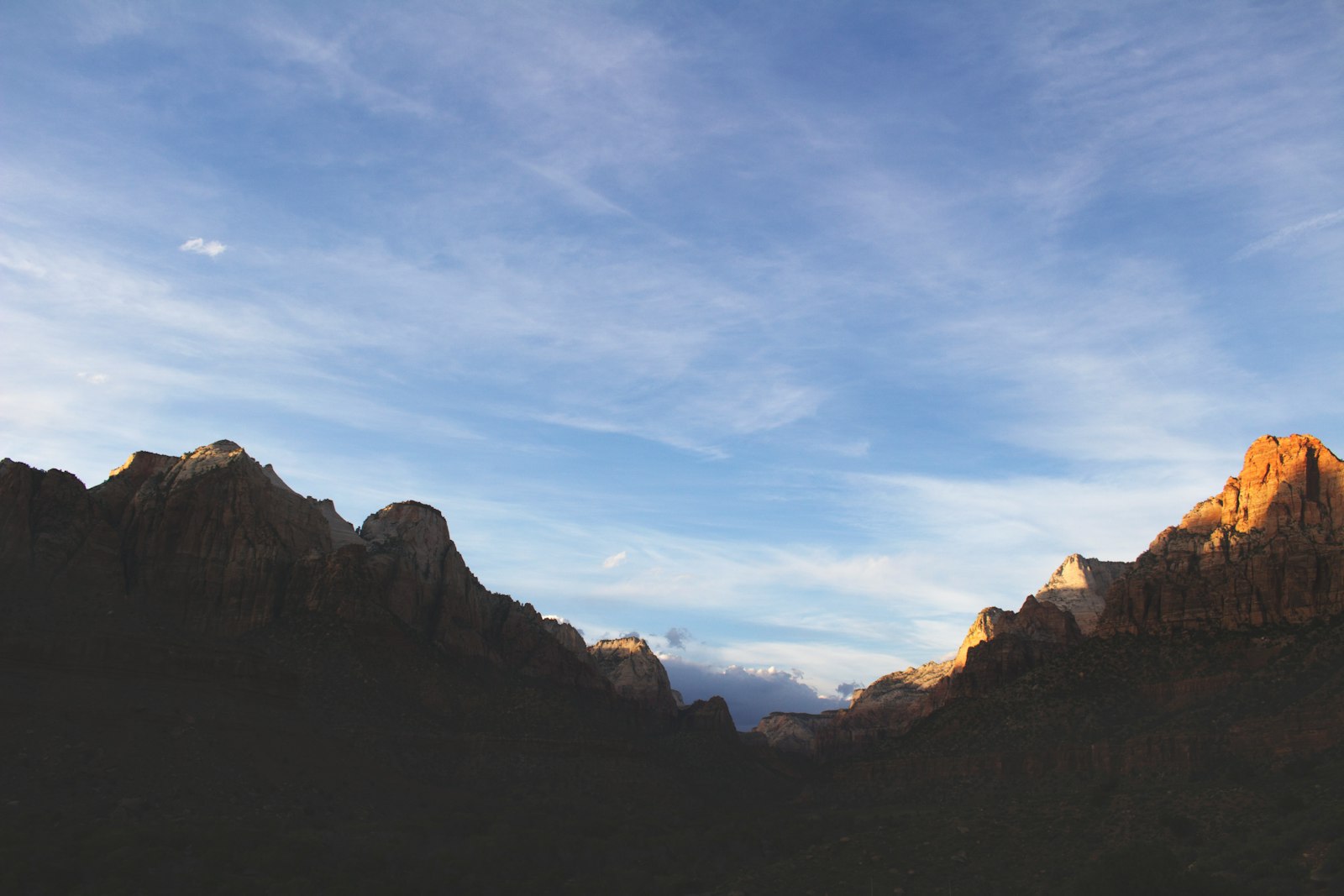
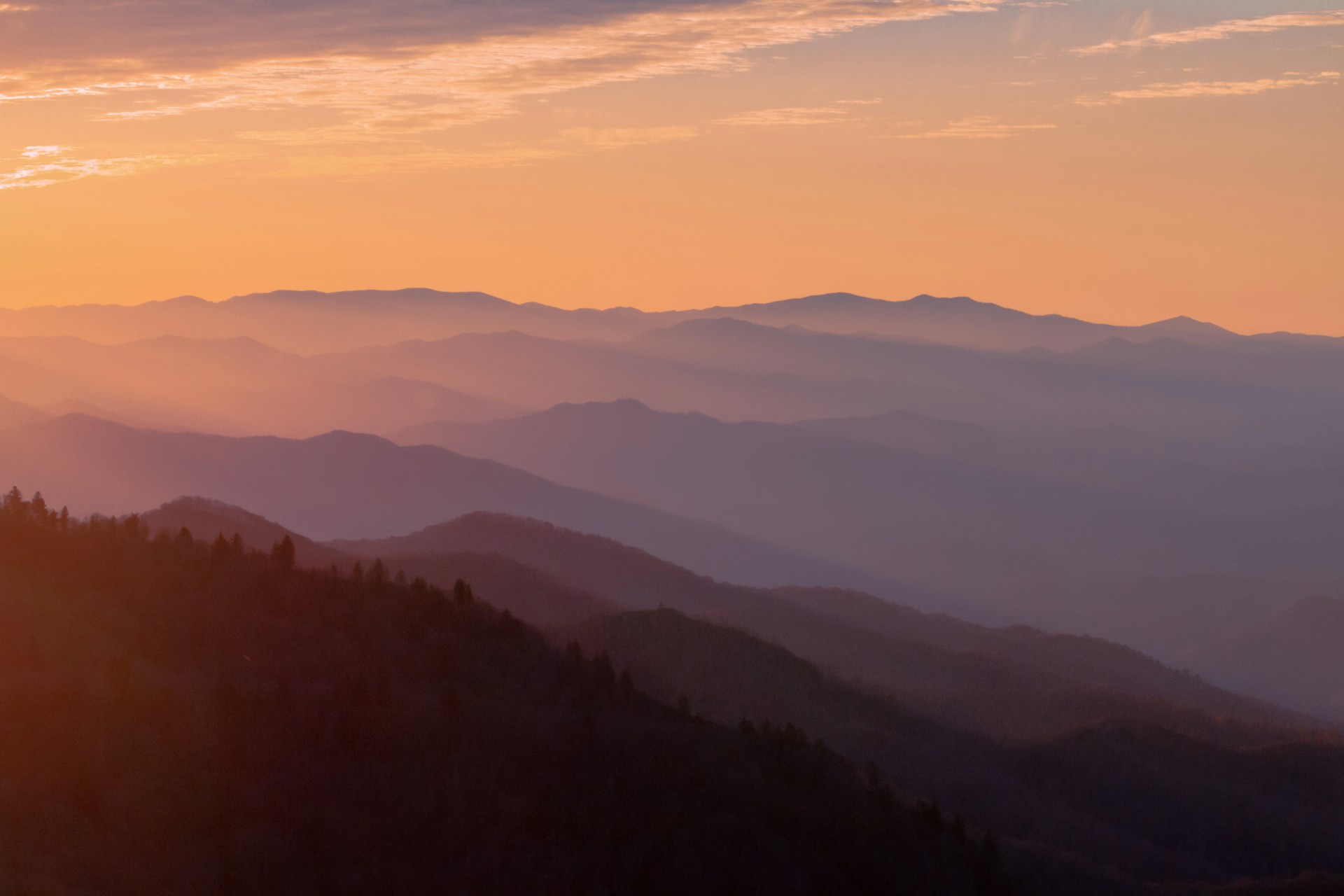
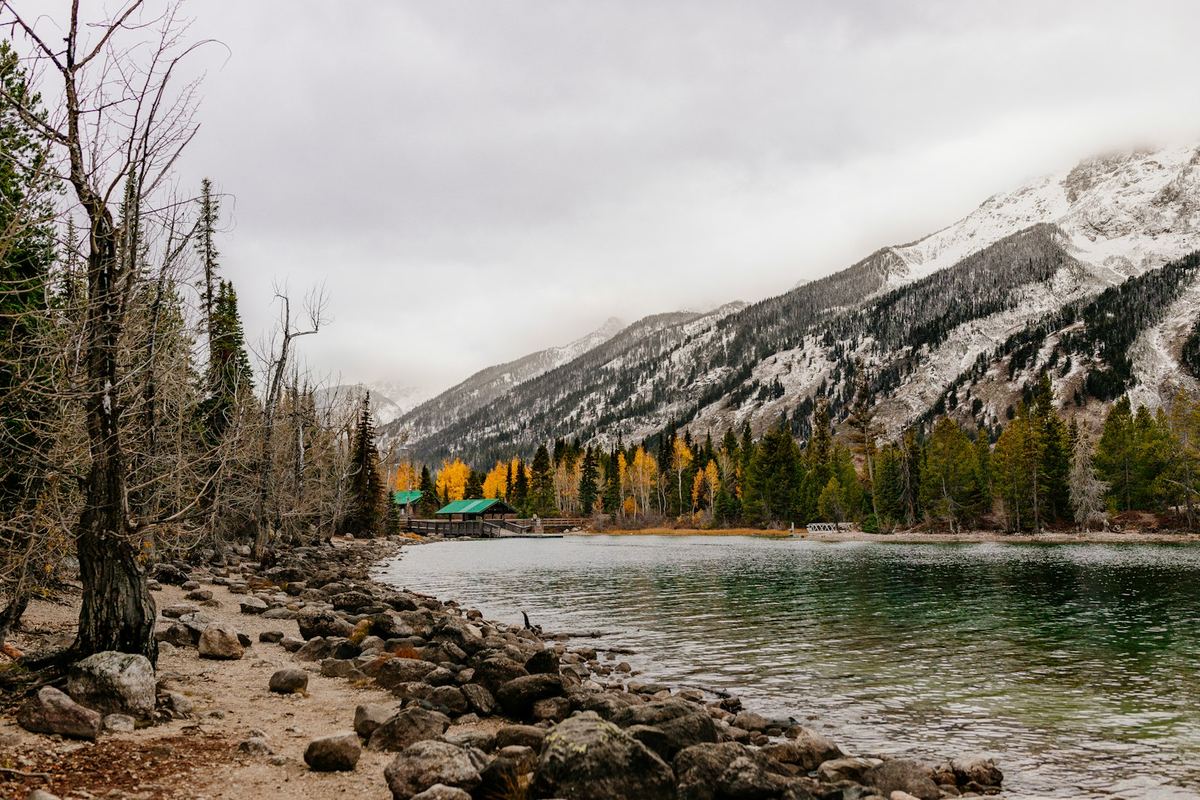
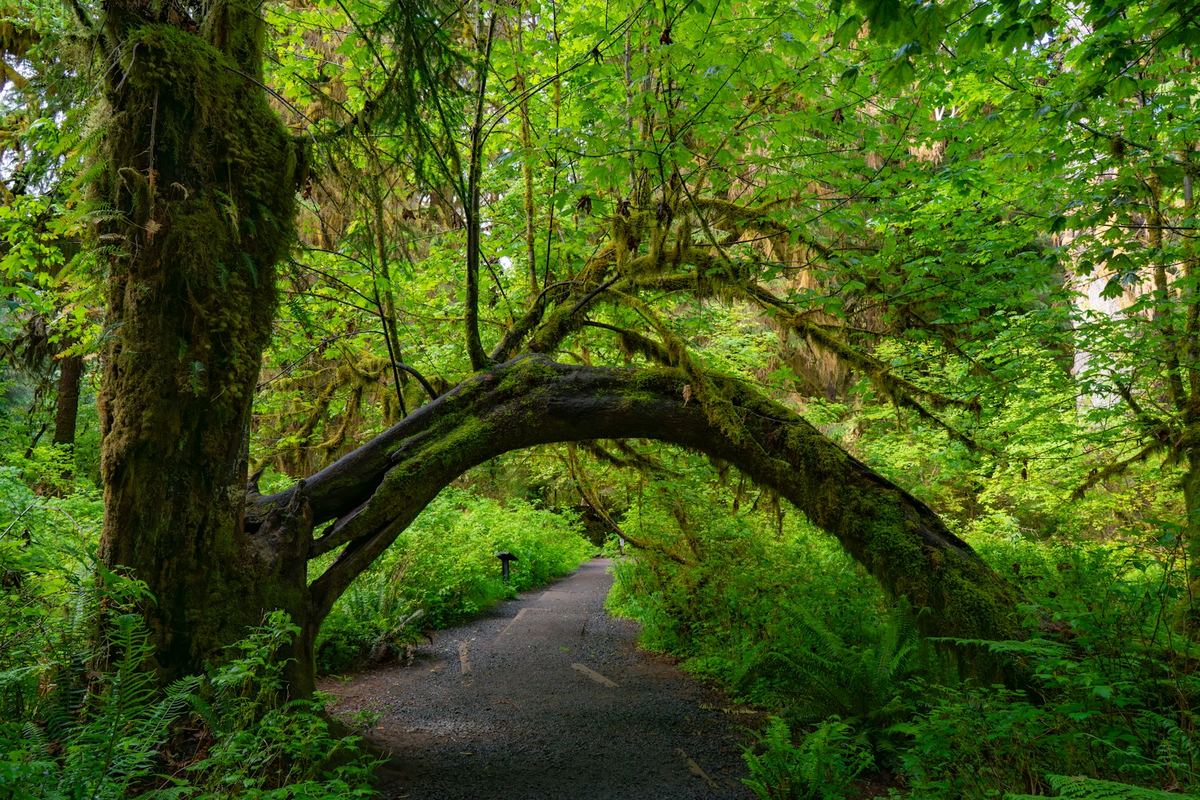
We evaluated every national park across seven criteria — scenery, accessibility, activities, crowd levels, facilities, value, and overall experience — to create the most transparent and useful ranking on the web. Each park receives a composite score out of 10, weighted toward what matters most to visitors: the quality of the experience itself.
Our Methodology
Scenery & Landscape
Visual impact, geological diversity, and iconic viewpoints.
Accessibility
Ease of getting there, road access, and visitor facilities.
Activities & Trails
Range and quality of hikes, drives, and ranger programs.
Crowd Management
Crowd levels at peak times and availability of quiet spots.
The Complete Guide to America's 63 National Parks
The United States National Park System protects 63 officially designated national parks spread across 30+ states and U.S. territories, encompassing more than 85 million acres of mountains, deserts, forests, coastlines, tundra, and volcanic wonders. From the geysers of Yellowstone to the granite walls of Yosemite, from the depths of the Grand Canyon to the active glaciers of Glacier Bay, these parks represent the most extraordinary landscapes in North America — and, in many cases, the world.
With 63 parks to choose from, planning your first (or your fifteenth) national park trip can feel overwhelming. The parks vary dramatically in size, accessibility, crowds, weather, and what they offer. Some — like Yellowstone, Yosemite, and the Grand Canyon — are bucket-list destinations that draw 4–6 million visitors a year. Others — like North Cascades, Great Basin, and Isle Royale — see a fraction of that and offer a more solitary experience. The right park for you depends on what you want to see, how long you have, and what kind of trip you're planning.
This guide breaks down the entire system. We've organized it into three parts: a top-10 summary of the most rewarding parks for first-time visitors, a guide to the parks by interest (best for hiking, wildlife, families, photography, etc.), and the complete ranking of all 63 parks below. Whether you have a long weekend or a six-month sabbatical, you'll find a national park that matches your goals.
The Top 10 National Parks for First-Time Visitors
If you're planning your first national park trip and want to maximize your chance of an unforgettable experience, start with this list. These ten parks combine iconic scenery, well-developed infrastructure, accessible hiking, and a depth of experience that rewards any time you can spend.
Yellowstone (Wyoming, Montana, Idaho) — The world's first national park. Half the world's geysers, the largest bison herd in North America, thriving wolf and grizzly populations, and the spectacular Grand Canyon of the Yellowstone. Plan 4–5 days for a first visit.
Yosemite (California) — The granite cathedral of El Capitan and Half Dome, the thundering waterfalls of the valley floor, the world's largest concentration of giant sequoias, and some of the best day hiking in the country. Plan 3–4 days.
Grand Canyon (Arizona) — One of the seven natural wonders of the world. The South Rim is the most visited area; the North Rim is quieter and closes in winter. The inner canyon is a serious hiking destination in the shoulder seasons. Plan 2–3 days for the South Rim, add a day for the North Rim.
Zion (Utah) — A compact 15-mile canyon with some of the most dramatic sandstone walls in the world. The Narrows (wading through the canyon in the Virgin River) and Angels Landing (permit required) are the two most iconic hikes. Plan 2–3 days.
Glacier (Montana) — The most dramatic mountain scenery in the lower 48, with Going-to-the-Sun Road cutting through the heart of the park. Wildlife viewing (grizzlies, moose, mountain goats) is excellent. Plan 3–4 days, but Going-to-the-Sun Road is closed mid-October through late June.
Grand Teton (Wyoming) — The most photographed mountain range in North America. A short drive from Yellowstone, the two parks combine beautifully. Excellent wildlife (especially moose), great hiking, and the iconic Mormon Row. Plan 2–3 days.
Olympic (Washington) — The most ecologically diverse park in the lower 48. The Hoh Rainforest, the Pacific coast, and the Olympic Mountains combine in a single park. Plan 3–5 days to see all three ecosystems.
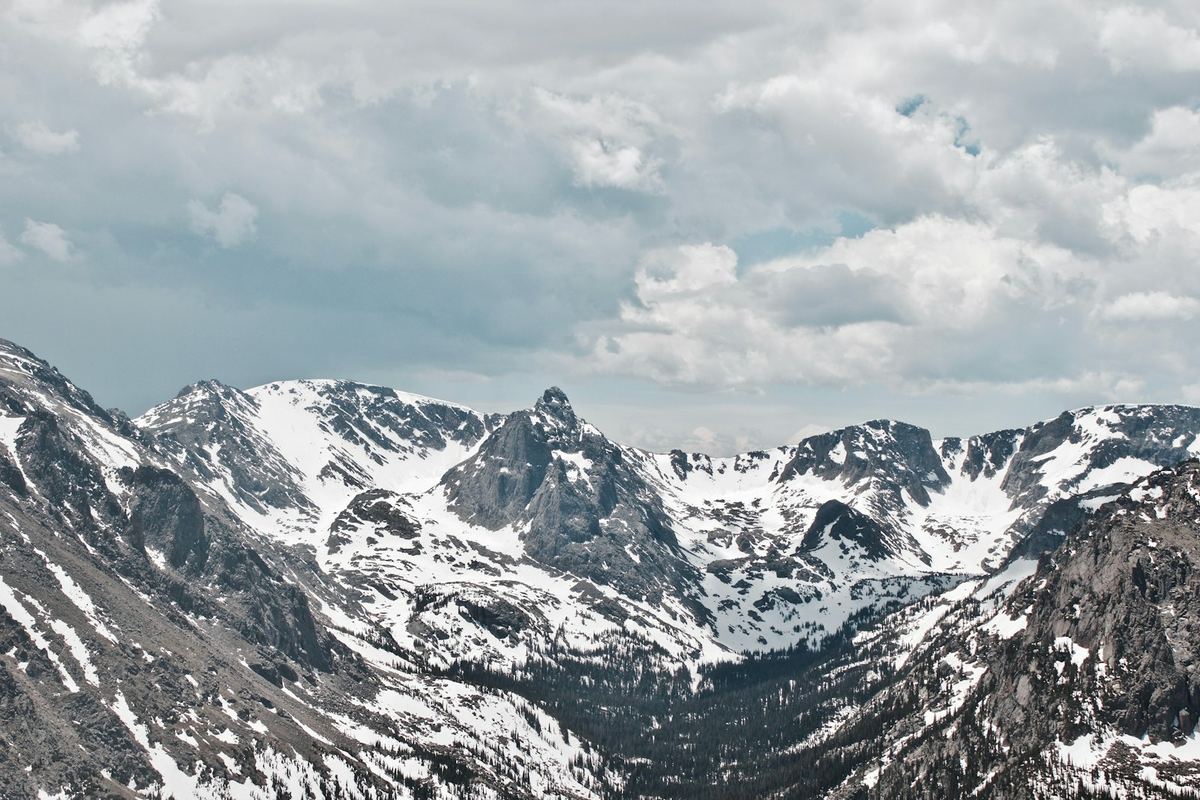
Rocky Mountain (Colorado) — The highest continuous paved road in North America (Trail Ridge Road) crosses the heart of the park. Elk, bighorn sheep, and marmots are common. Plan 2–3 days.
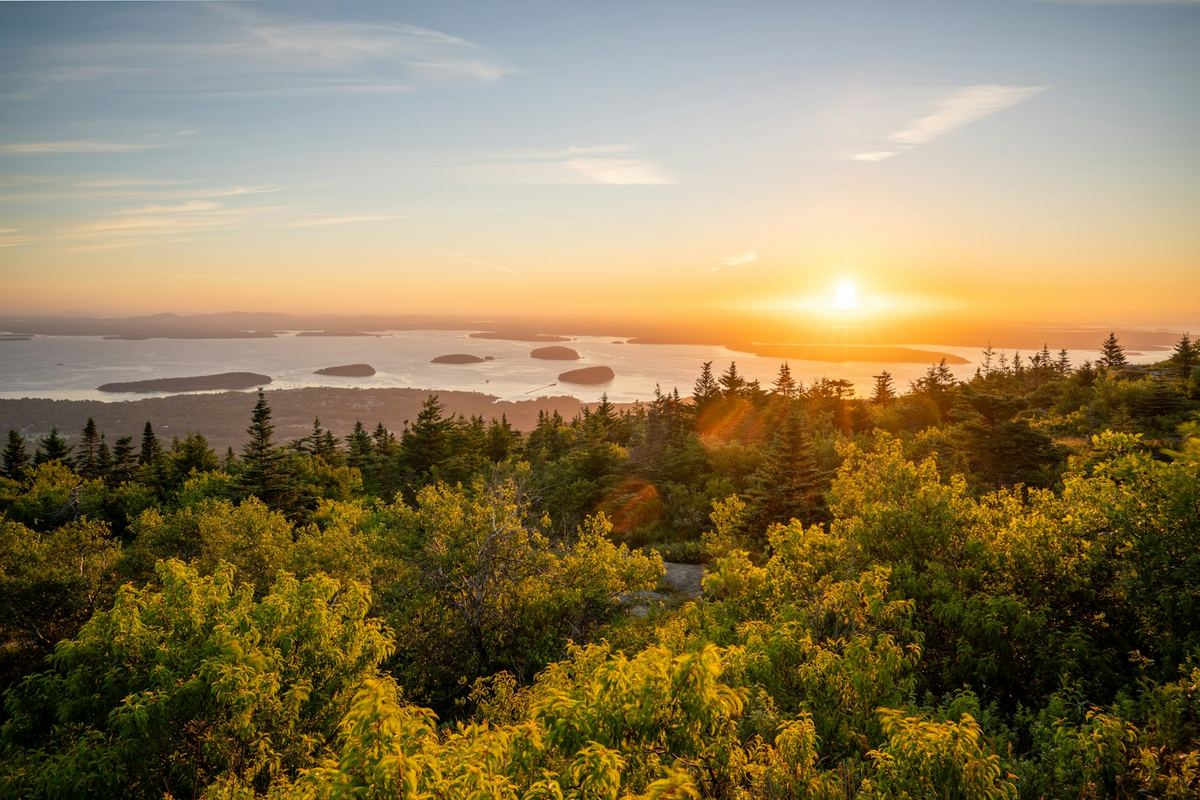
Acadia (Maine) — The only national park in New England. Cadillac Mountain (the highest point on the Atlantic coast north of Brazil), the rocky coastline, and the carriage roads make this a four-season destination. Plan 2–3 days.
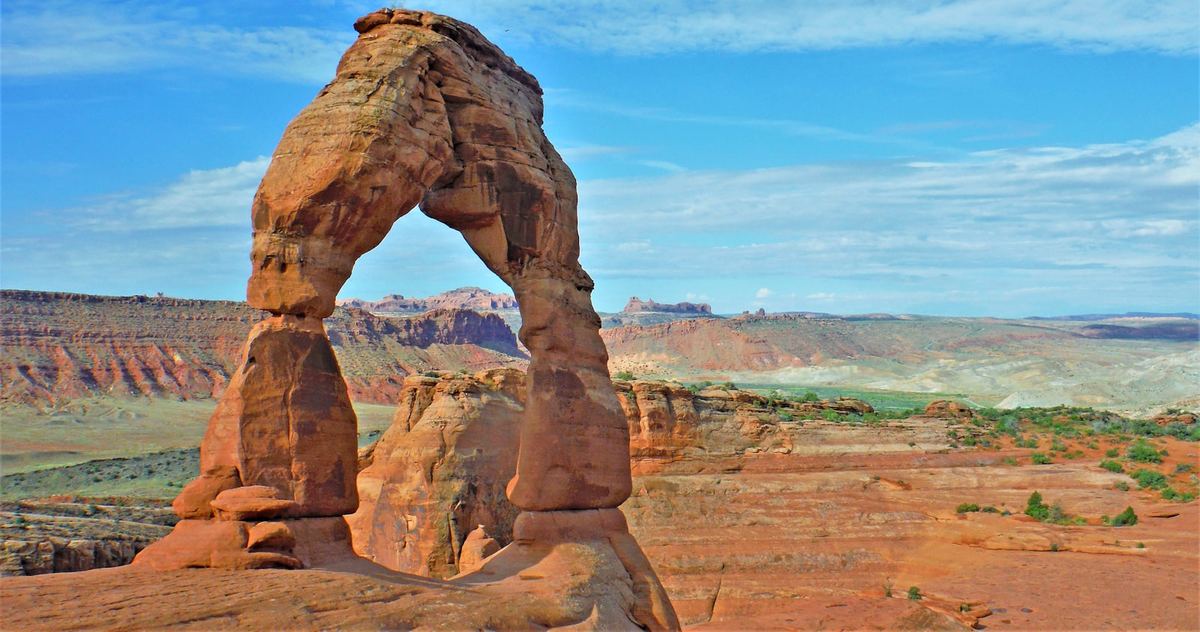
Arches (Utah) — The highest concentration of natural stone arches in the world. Delicate Arch is the most iconic; the park has 2,000+ documented arches. Plan 1–2 days, but the park is near Canyonlands, Bryce Canyon, and Capitol Reef for a longer Utah road trip.
The Best National Parks by Interest
Different parks excel at different things. The list above is the "universally appealing" ranking, but if you have specific interests, these lists are more useful.
Best National Parks for Hiking
Yosemite, Glacier, Grand Teton, Zion, Olympic, Rocky Mountain, North Cascades, Grand Canyon, Yellowstone, Acadia. Yosemite is the king of day hiking (the Mist Trail, Half Dome, Upper Yosemite Falls); Glacier and the Tetons are the kings of backcountry. The Narrows in Zion is one of the most unique hikes in the world.
Best National Parks for Wildlife Viewing
Yellowstone, Denali, Grand Teton, Glacier, Katmai, Olympic, Everglades, Big Bend, Kenai Fjords, Biscayne. Yellowstone is the most intact ecosystem in the lower 48 (wolves, grizzlies, bison). Denali and Katmai are the best for brown bears. The Everglades is the only place in the US where you can see alligators and crocodiles in the wild.
Best National Parks for Families with Kids
Yellowstone, Yosemite, Grand Canyon, Zion, Acadia, Olympic, Grand Teton, Great Smoky Mountains, Joshua Tree, Bryce Canyon. Yellowstone has the best Junior Ranger program; Yosemite and Zion have the most accessible kid-friendly hikes; Acadia has carriage roads and tide pools; Joshua Tree has the most unique landscape for kids to explore.
Best National Parks for Photography
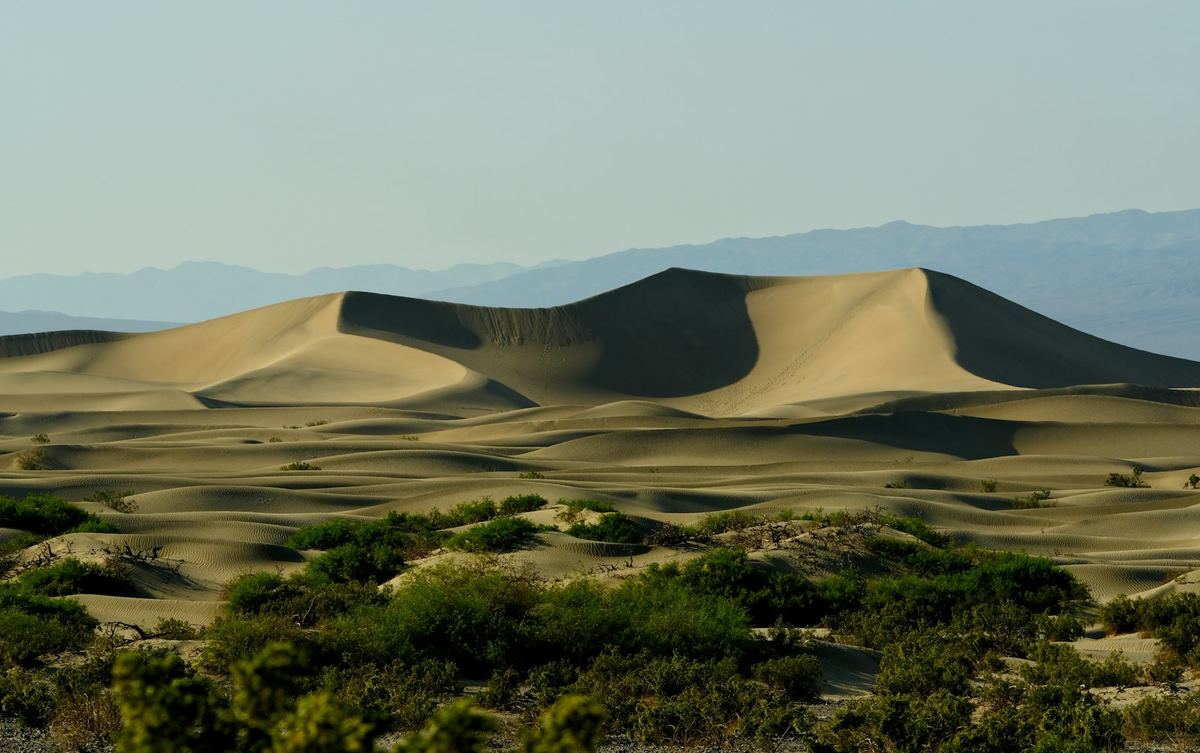
Yosemite, Grand Canyon, Yellowstone, Arches, Zion, Grand Teton, Monument Valley (Navajo Tribal Park, not NPS), Olympic, Glacier, Death Valley.Yosemite's Tunnel View and Valley View are the most-photographed spots in the system; the Grand Canyon's Mather Point at sunrise is iconic; Arches has Delicate Arch at sunset; Death Valley has the Mesquite Flat Sand Dunes at sunrise.
Best National Parks for Solitude
North Cascades, Great Basin, Isle Royale, Katmai, Wrangell-St. Elias, Lake Clark, Congaree, Guadalupe Mountains, Big Bend, Black Canyon of the Gunnison. These parks see fewer than 500,000 visitors per year (vs. 4–6 million for the most popular parks). North Cascades is the closest to a major city (Seattle) and sees under 50,000 visitors per year at most trailheads.
Best National Parks for Stargazing
Big Bend, Death Valley, Great Basin, Bryce Canyon, Capitol Reef, Joshua Tree, Chaco Culture, Crater Lake, Glacier, Grand Canyon. These parks have designated Dark Sky status and offer the best stargazing in the country. Big Bend has the darkest night sky in the lower 48. Bryce Canyon has the highest-elevation astronomy program.
How to Plan a National Park Trip
Once you've picked a park (or two), the planning process breaks into a few key decisions. First, decide when to go — most parks have a peak season (typically summer) and shoulder seasons (spring and fall) that offer better weather and fewer crowds. The intel reports on each of our [best time to visit](/blog/best-time-to-visit-yellowstone) pages cover the seasonal details.
Second, decide where to stay. In-park lodging (Yellowstone's Old Faithful Inn, Yosemite's Ahwahnee Hotel, Glacier's Many Glacier Hotel) is the most convenient but books 6–13 months in advance for summer. Gateway towns (West Yellowstone, Jackson, Bozeman for Yellowstone; Mariposa, Oakhurst, Groveland for Yosemite) offer more options and lower prices but require 30–90 minutes of driving each way.
Third, check whether your park requires reservations. As of 2026, several popular parks require peak-hours entry reservations during the summer: Glacier (Going-to-the-Sun Road), Yosemite (Yosemite Valley), Arches (specific trailheads), and Haleakalā (sunrise viewing). The reservation is in addition to the park entrance fee. Most other parks do not require entry reservations.
Fourth, plan your activities. Most first-time visitors underestimate how much time they'll spend getting from one place to another in a national park. The Grand Loop Road in Yellowstone is 142 miles; the main roads in Yosemite, Zion, and the Grand Canyon can each take 2–3 hours to drive end-to-end. Plan on at least 2–3 full days for any major park, and 4–5 days for the very largest (Yellowstone, Yosemite, Grand Canyon, Olympic, Glacier, the Everglades).
Finally, prepare for the conditions. National parks are not theme parks — they are wild places. Cell service is often nonexistent. Weather can change rapidly (especially in mountain parks). Wildlife is real and dangerous (bears in Yellowstone, Glacier, and the Tetons; mountain lions in the Southwest; alligators in the Everglades). Bring bear spray on any hike in bear country, download offline maps, fill up on gas in gateway towns, and tell someone where you're going.
The National Park System by the Numbers
63
National parks
85M+
Acres protected
325M+
Annual visitors
$80
America the Beautiful Pass
The 63 national parks receive more than 325 million visitors per year (a record high as of 2024), making the National Park System one of the most popular public land systems in the world. The 10 most-visited parks (Great Smoky Mountains, Grand Canyon, Zion, Rocky Mountain, Yellowstone, Yosemite, Acadia, Grand Teton, Olympic, and Cuyahoga Valley) together account for nearly 100 million of those visits. The 10 least-visited (Gates of the Arctic, Lake Clark, Isle Royale, Kobuk Valley, Katmai, North Cascades, Wrangell-St. Elias, Dry Tortugas, American Samoa, and National Park of American Samoa) together account for fewer than 250,000. Visitor statistics are sourced from the National Park Service and Wikipedia's national parks list.
The $80 America the Beautiful pass covers entry to every national park (and most other federal recreation sites) for 12 months. If you plan to visit more than one park in a year, the pass pays for itself on the second visit. Seniors can buy a $20 lifetime Senior Pass; military members can get a free Military Pass; and 4th graders can get a free Every Kid Outdoors pass.
Frequently Asked Questions About the National Parks
How many national parks are there in the US?
There are 63 officially designated national parks in the United States, spread across 30 states and U.S. territories. The most recent addition was New River Gorge in West Virginia, designated in 2020. The National Park Service also manages more than 400 other units (national monuments, national seashores, national recreation areas, etc.) — when people say "national parks" they sometimes mean the entire system, but the official "national park" designation is reserved for 63 of the most significant natural and cultural areas.
What is the most-visited national park?
Great Smoky Mountains National Park (Tennessee and North Carolina) is the most-visited national park, with 12–14 million visitors per year. The park's proximity to major population centers (Atlanta, Charlotte, Knoxville) and free entry make it exceptionally popular. The second most-visited is Grand Canyon (6+ million), followed by Zion (4.5+ million) and Rocky Mountain (4+ million).
What is the least-visited national park?
Gates of the Arctic National Park (Alaska) is the least-visited national park, with fewer than 10,000 visitors per year. The park is north of the Arctic Circle, has no roads or trails, and is accessible only by bush plane. Kobuk Valley, Lake Clark, and Katmai (all in Alaska) are also among the least-visited. In the lower 48, Isle Royale (Michigan) and North Cascades (Washington) are the least-visited.
What is the largest national park?
Wrangell-St. Elias National Park (Alaska) is the largest national park, with 13.2 million acres — larger than each of the next six largest US national parks combined. Gates of the Arctic (8.4 million acres) and Denali (6 million acres) are the next largest. In the lower 48, Death Valley (3.4 million acres) and Yellowstone (2.2 million acres) are the largest.
What is the best national park for a first visit?
For most first-time visitors, Yellowstone, Yosemite, or the Grand Canyon are the best choices. These three parks combine iconic scenery, well-developed infrastructure, accessible hiking, and a depth of experience that rewards any time you can spend. The other strong first-visit choices are Zion, Glacier, and Grand Teton.
Do I need a reservation to visit a national park?
Most national parks do not require an entry reservation. As of 2026, only a handful of parks have peak-hours reservation requirements: Glacier (Going-to-the-Sun Road, late May through mid-September), Yosemite (Yosemite Valley, late May through late September), Arches (specific trailheads), and Haleakalā (sunrise viewing). Many parks also require permits for specific activities (backcountry camping, Half Dome cables, Angels Landing). The $35 per-vehicle entrance fee (or $80 America the Beautiful annual pass) is standard for most parks.
How much does it cost to visit a national park?
Most national parks charge $20–$35 per vehicle for a 7-day pass. A few parks (like Great Smoky Mountains) are free. The $80 America the Beautiful annual pass covers every national park and most other federal recreation sites for 12 months — a strong value if you visit more than one park in a year. Seniors can buy a $20 lifetime Senior Pass; 4th graders can get a free Every Kid Outdoors pass; and current military members can get a free Military Pass.
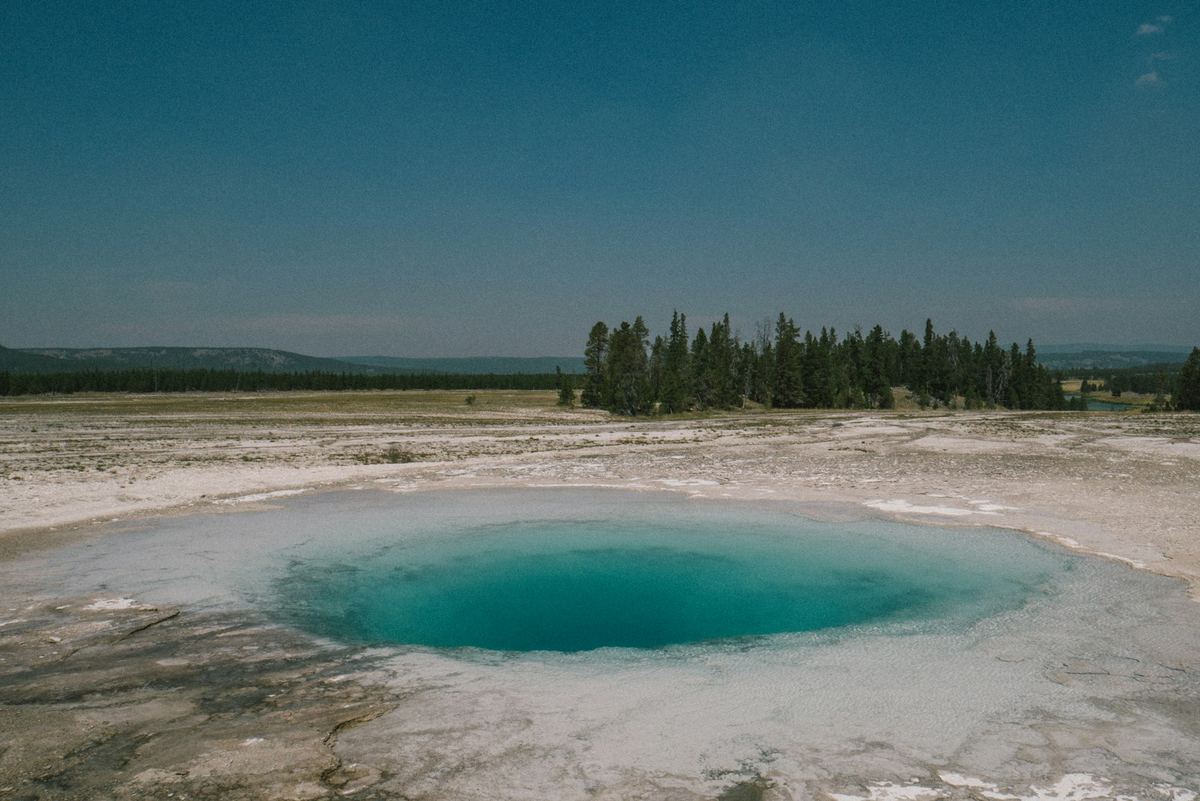
The world's first national park, Yellowstone is a geothermal wonderland of erupting geysers, vibrant hot springs, and abundant wildlife across 2.2 million acres of pristine wilderness. Home to over half the world's active geysers, including the iconic Old Faithful, Yellowstone's thermal features are unmatched anywhere on Earth. The park spans three states and encompasses vast valleys where bison herds roam, grizzly bears forage, and wolves hunt — making it the premier wildlife watching destination in the lower 48 states. The Grand Canyon of the Yellowstone River carves a dramatic 20-mile gorge through volcanic rock, with Lower Yellowstone Falls plummeting 308 feet into a canyon walls painted in yellows, oranges, and reds. Mammoth Hot Springs creates ever-changing travertine terraces of white and orange that look like a frozen waterfall. Whether you come for the geysers, the wildlife, or the hiking trails, Yellowstone delivers an experience found nowhere else on the planet.
Old Faithful GeyserGrand Prismatic SpringYellowstone Grand CanyonHayden Valley Wildlife
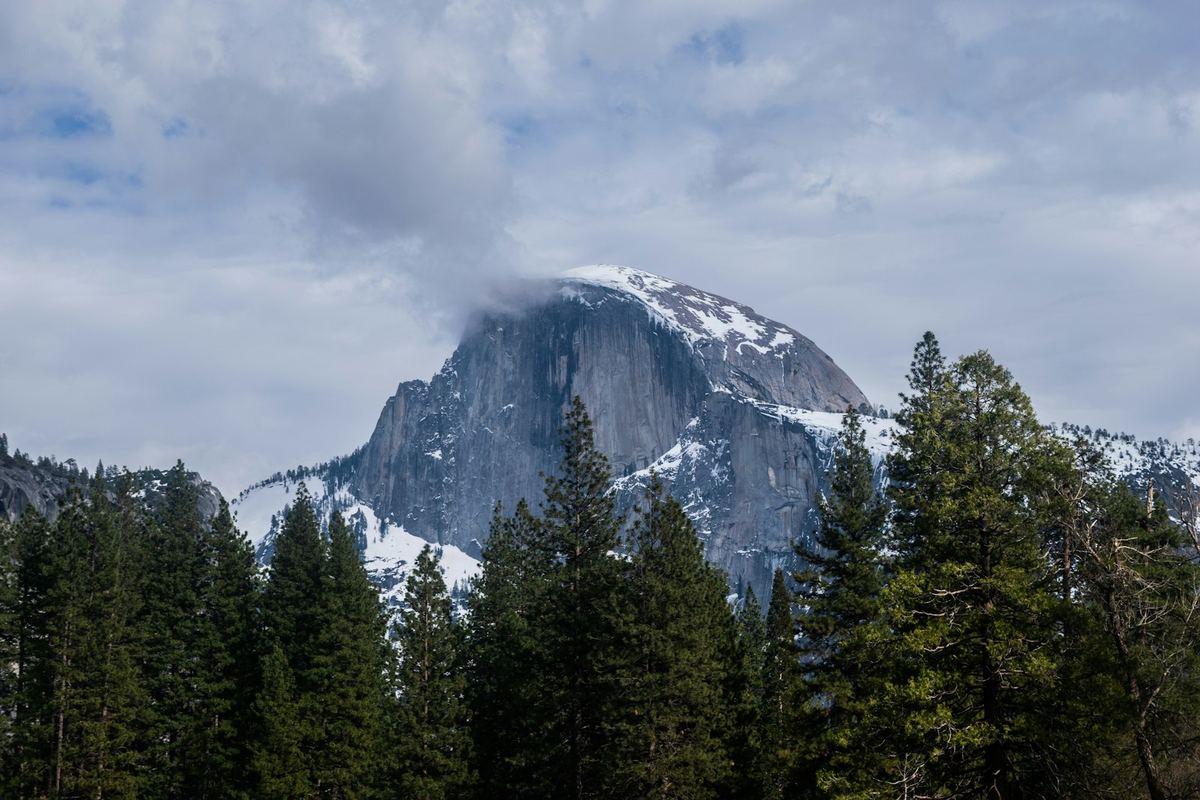
Yosemite's iconic granite cliffs, towering waterfalls, and giant sequoia groves make it one of the most photographed and beloved landscapes on Earth. Rising from the glacier-carved Yosemite Valley, El Capitan's 3,000-foot vertical face draws rock climbers from every continent, while Half Dome's distinctive silhouette has become a symbol of American wilderness. Five separate waterfalls crash into the valley each spring, including Yosemite Falls — the tallest in North America at 2,425 feet. Beyond the valley, the Mariposa Grove shelters over 500 ancient giant sequoias, some exceeding 1,800 years in age, and Glacier Point offers a mile-high panorama of the entire high country. With over 800 miles of trails ranging from flat valley strolls to multi-day backcountry expeditions, Yosemite rewards every level of adventurer.
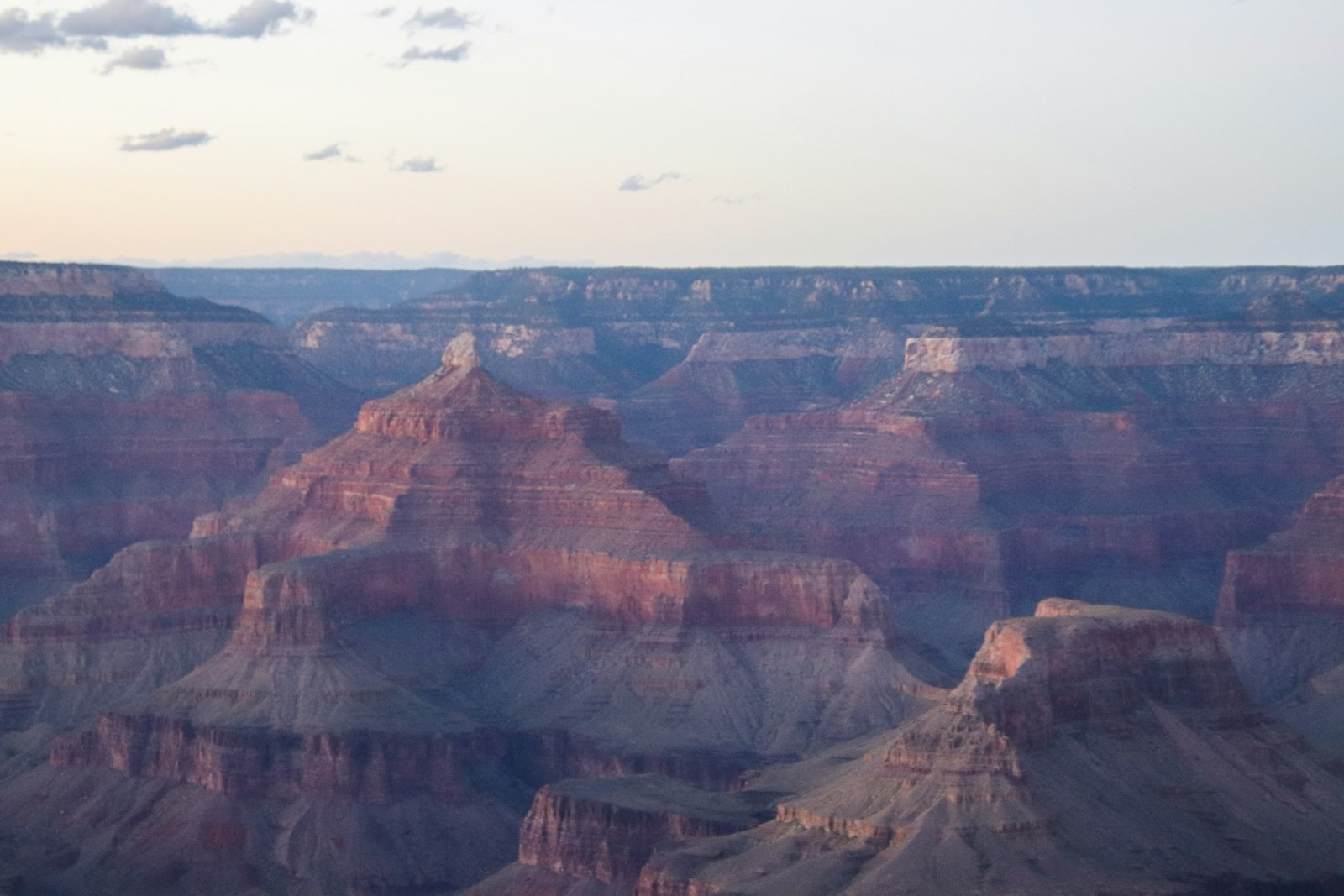
A mile-deep chasm carved by the Colorado River over millions of years, the Grand Canyon offers breathtaking vistas and world-class hiking and rafting experiences. Stretching 277 miles long and up to 18 miles wide, this UNESCO World Heritage Site exposes nearly 2 billion years of Earth's geological history in its layered walls of red, orange, and buff stone. The South Rim draws 90% of visitors with its accessible viewpoints, historic lodges, and shuttle system. The North Rim, open only May through October, offers a quieter experience at 1,000 feet higher elevation. Below the rim, the Colorado River thunders through rapids rated among the most challenging in the world, making multi-day rafting trips a bucket-list adventure. Whether you view it from the rim, hike to the river, or float through its depths, the Grand Canyon's sheer scale defies comprehension until you stand at its edge.
South Rim OverlooksBright Angel TrailColorado River RaftingNorth Rim
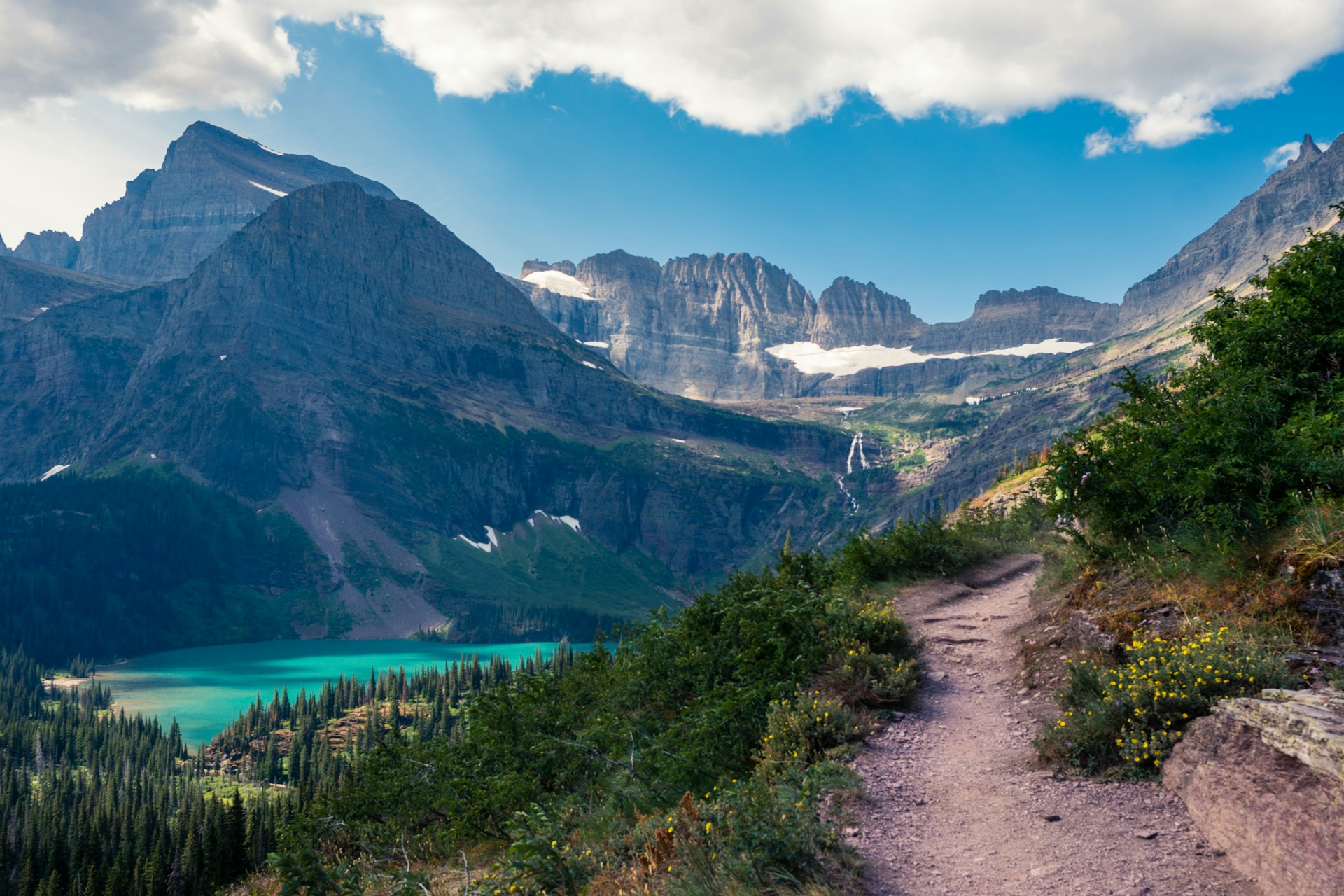
Known as the Crown of the Continent, Glacier National Park features pristine alpine meadows, rugged peaks, and remnants of the glaciers that carved this dramatic landscape.
Zion's towering sandstone cliffs and narrow slot canyons create some of the most dramatic and sought-after hiking experiences in the national park system. The Virgin River has sculpted Zion Canyon over millions of years, leaving behind 2,000-foot walls of Navajo sandstone painted in red, white, and pink. The Narrows — a 16-mile hike through a slot canyon where the river is the trail — is one of the most iconic hikes in America. Angels Landing, with its chain-assisted scramble along a narrow ridge 1,400 feet above the canyon floor, draws thrill-seekers from around the world. Beyond the main canyon, Kolob Canyons offers a quieter experience with equally stunning scenery. Zion is Utah's most visited national park and the gateway to the Grand Circle of Southwest parks.
The NarrowsAngels LandingEmerald PoolsObservation Point
America's most visited national park, the Smokies enchant with misty mountain vistas, diverse wildlife, and over 800 miles of hiking trails through ancient forests. Straddling the Tennessee-North Carolina border, the park protects one of the largest blocks of old-growth forest in the eastern United States, with trees up to 500 years old in remote coves. The morning fog that gives the mountains their name drifts through valleys and clings to ridgelines, creating the signature atmospheric views that photographers chase at Clingmans Dome and Newfound Gap. Cades Cove, an 11-mile loop through a broad valley enclosed by mountains, reliably produces black bear, white-tailed deer, and wild turkey sightings from the comfort of your car. With no entrance fee, the most diverse salamander population on Earth, and over 1,500 types of flowering plants, the Smokies deliver extraordinary value and biodiversity in every season.
Clingmans DomeCades CoveAlum Cave TrailRoaring Fork Motor Nature Trail
Dramatic jagged peaks rising straight from valley floors, pristine alpine lakes, and prime wildlife viewing make Grand Teton a photographer's paradise just south of Yellowstone. The Teton Range's cathedral-like granite spires reach 13,770 feet at Grand Teton, with no foothills to soften their dramatic rise from the Jackson Hole valley. Jenny Lake, cradled at the base of the peaks, mirrors the mountains on calm mornings and offers the park's most iconic photographs. The Snake River winds through the valley floor providing world-class fly fishing and float trips with Teton backdrops. Mormon Row's historic barns framed against the mountains have become one of the most photographed scenes in the national park system. Moose, bison, and pronghorn roam the sagebrush flats, while grizzly bears and wolves are increasingly spotted in the northern reaches. Grand Teton pairs perfectly with Yellowstone for a comprehensive Wyoming parks trip.
Grand Teton PeakJenny LakeSnake River OverlookSchwabacher Landing
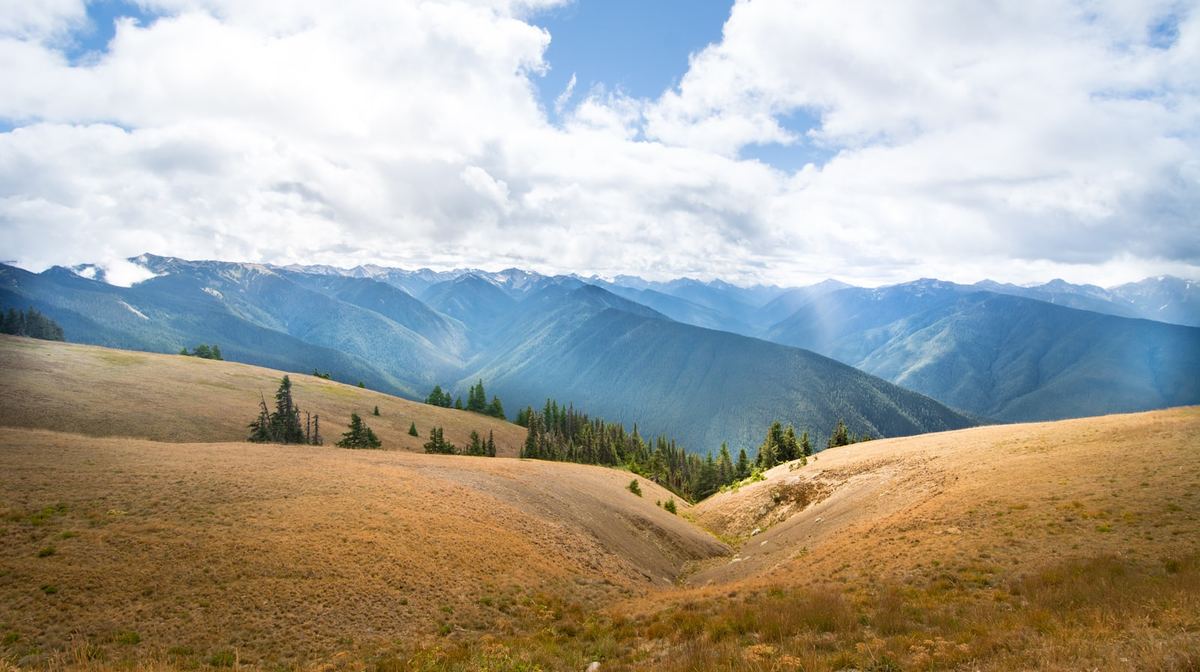
From temperate rainforests to rugged Pacific coastline to alpine meadows, Olympic National Park encompasses three distinct ecosystems in one stunning preserve. The Hoh Rain Forest receives 140 inches of rain per year, creating a lush canopy of moss-draped Sitka spruce and western hemlock that feels like stepping into a fairy tale. Hurricane Ridge offers alpine scenery with panoramic views of the Olympic Mountains and the Strait of Juan de Fuca — often accessible via a 17-mile drive from Port Angeles. The park's 73 miles of wild Pacific coastline feature sea stacks, tide pools teeming with life, and driftwood-strewn beaches like Ruby Beach and Rialto Beach. Lake Crescent's impossibly clear water draws kayakers and swimmers, while the Sol Duc Falls trail leads through old-growth forest to a three-pronged cascade. Olympic is a UNESCO World Heritage Site and International Biosphere Reserve, protecting one of the most ecologically diverse landscapes in North America.
Towering peaks above 14,000 feet, pristine alpine lakes, and over 350 miles of trails make Rocky Mountain National Park a premier high-altitude adventure destination. Trail Ridge Road, the highest continuous paved road in the US, crests at 12,183 feet above the tree line, delivering sweeping views of the Continental Divide across treeless alpine tundra. The park's elevation range — from 7,500 to 14,259 feet — creates distinct life zones from montane forests to alpine tundra, each with unique wildlife including elk, bighorn sheep, and ptarmigan. Dream Lake and Emerald Lake, accessed from the Bear Lake trailhead, are among the most photographed alpine lakes in America. The park's proximity to Denver (1.5 hours) makes it one of the most accessible wilderness experiences in the national park system.
Where the mountains meet the sea, Acadia offers dramatic coastal scenery, tide pools, and the first sunrise in the United States from Cadillac Mountain. The park's 47,000 acres encompass pink granite cliffs crashing into the Atlantic surf, deep evergreen forests laced with carriage roads built by John D. Rockefeller Jr., and the pristine waters of Jordan Pond and Eagle Lake. Cadillac Mountain, at 1,530 feet, is the first place sunlight touches in the US from October through March — drawing sunrise pilgrims from around the world. Thunder Hole, where waves crash into a narrow coastal crevice, creates a booming splash that can shoot water 40 feet in the air. The carriage roads, 45 miles of car-free crushed-stone paths, are perfect for biking and walking with some of the most beautiful stone bridges in America. Bar Island's sandbar appears at low tide, opening a natural walk to an island that disappears again when the tide returns.
Home to over 2,000 natural stone arches, Arches National Park showcases millions of years of erosion sculpting red sandstone into breathtaking formations. The park's signature formation, Delicate Arch, has become the most recognized landmark in Utah and appears on the state license plate. Landscape Arch stretches 306 feet — the longest natural arch in North America — while Double Arch creates a dramatic frame against the La Sal Mountains. Balanced Rock, a 55-foot-tall formation perched impossibly on a narrow pedestal, demonstrates the delicate equilibrium of erosion. The Fiery Furnace, a labyrinth of narrow sandstone canyons, offers one of the most adventurous guided hikes in any national park. With the highest concentration of natural arches anywhere on Earth, Arches delivers a concentrated dose of geological wonder in a compact 76,000-acre preserve just outside Moab.
Delicate ArchDouble ArchLandscape ArchBalanced Rock
An active volcano draped in glaciers and wildflower meadows, Mount Rainier dominates the Pacific Northwest skyline and offers extraordinary alpine hiking.
Home to the world's largest trees, including General Sherman, Sequoia National Park offers awe-inspiring groves of ancient giants alongside rugged Sierra Nevada peaks.
General Sherman TreeMoro RockCrystal CaveCrescent Meadow
Often paired with Sequoia, Kings Canyon features one of the deepest canyons in North America, pristine alpine scenery, and magnificent groves of giant sequoias.
Kings River CanyonZumwalt MeadowRoaring River FallsGrant Grove
Just 75 miles from Washington DC, Shenandoah offers 500+ miles of trails, cascading waterfalls, and sweeping views from Skyline Drive along the Blue Ridge Mountains.
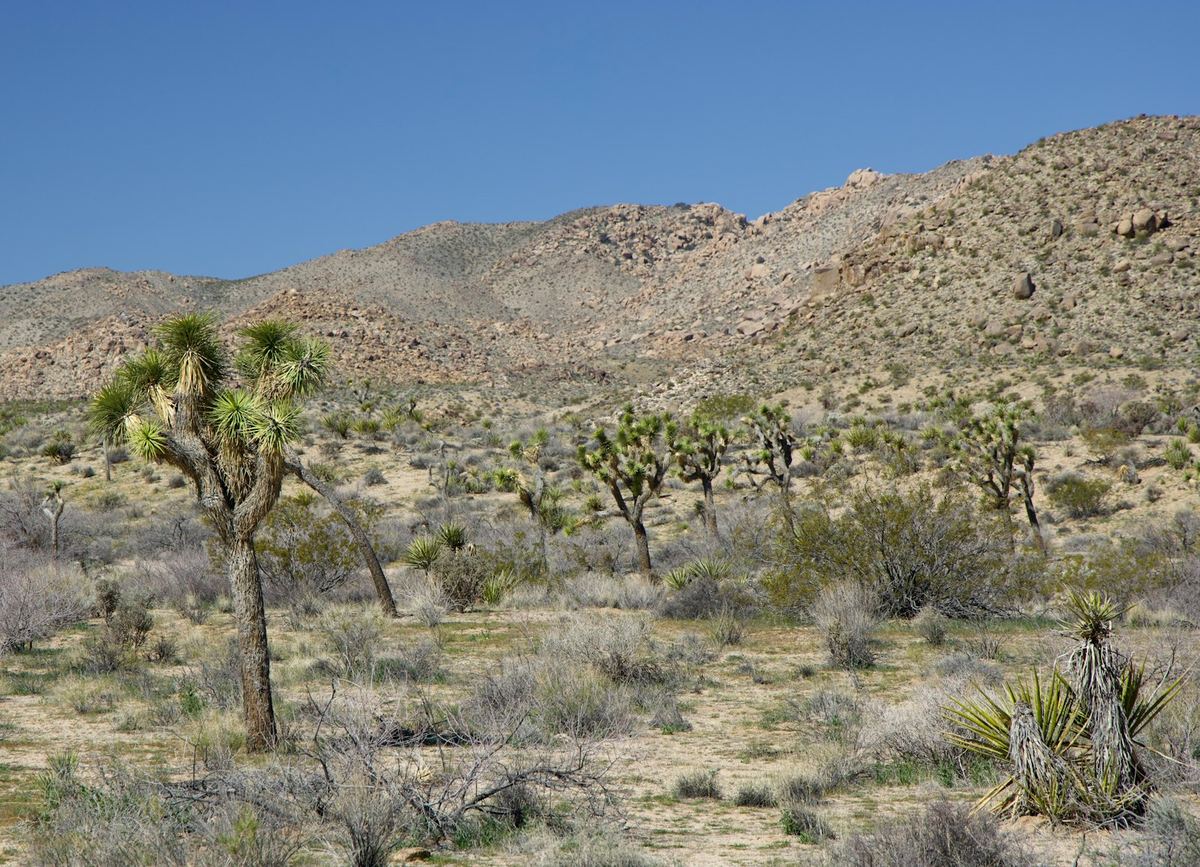
Where the Mojave and Colorado deserts meet, Joshua Tree's surreal landscape of twisted trees, giant boulders, and incredible night skies draws climbers and stargazers alike.
Keys ViewHidden ValleyCholla Cactus GardenSkull Rock
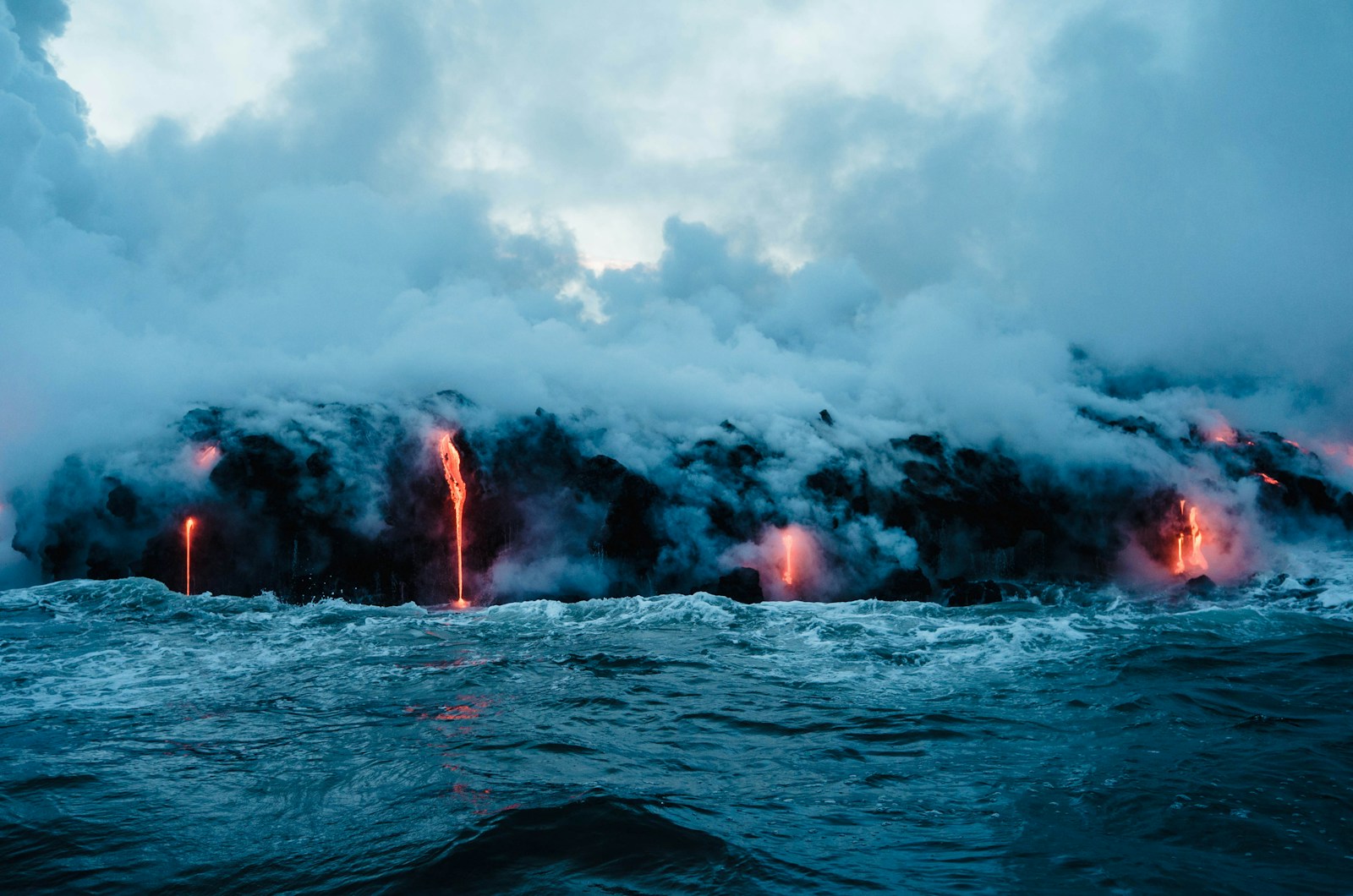
Witness the raw power of creation at Hawaii Volcanoes, where active lava flows and steam vents remind visitors that these islands are still being formed.
Kilauea CalderaThurston Lava TubeChain of Craters RoadHalemaumau Crater
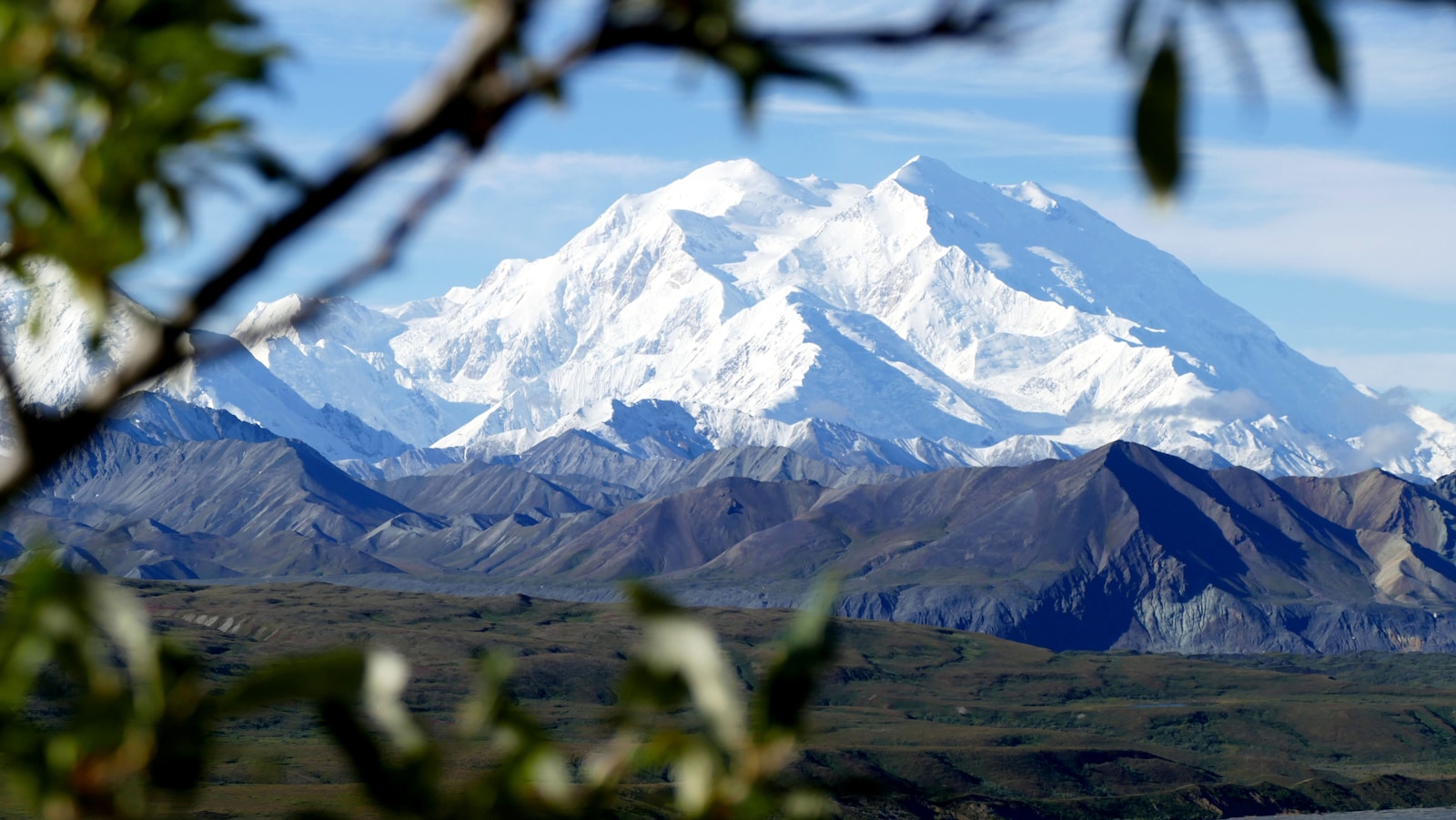
Six million acres of wildland centered on North America's tallest peak, Denali offers true backcountry wilderness, abundant wildlife, and landscapes that dwarf human scale.
Denali PeakEielson Visitor CenterWonder LakeSavage River
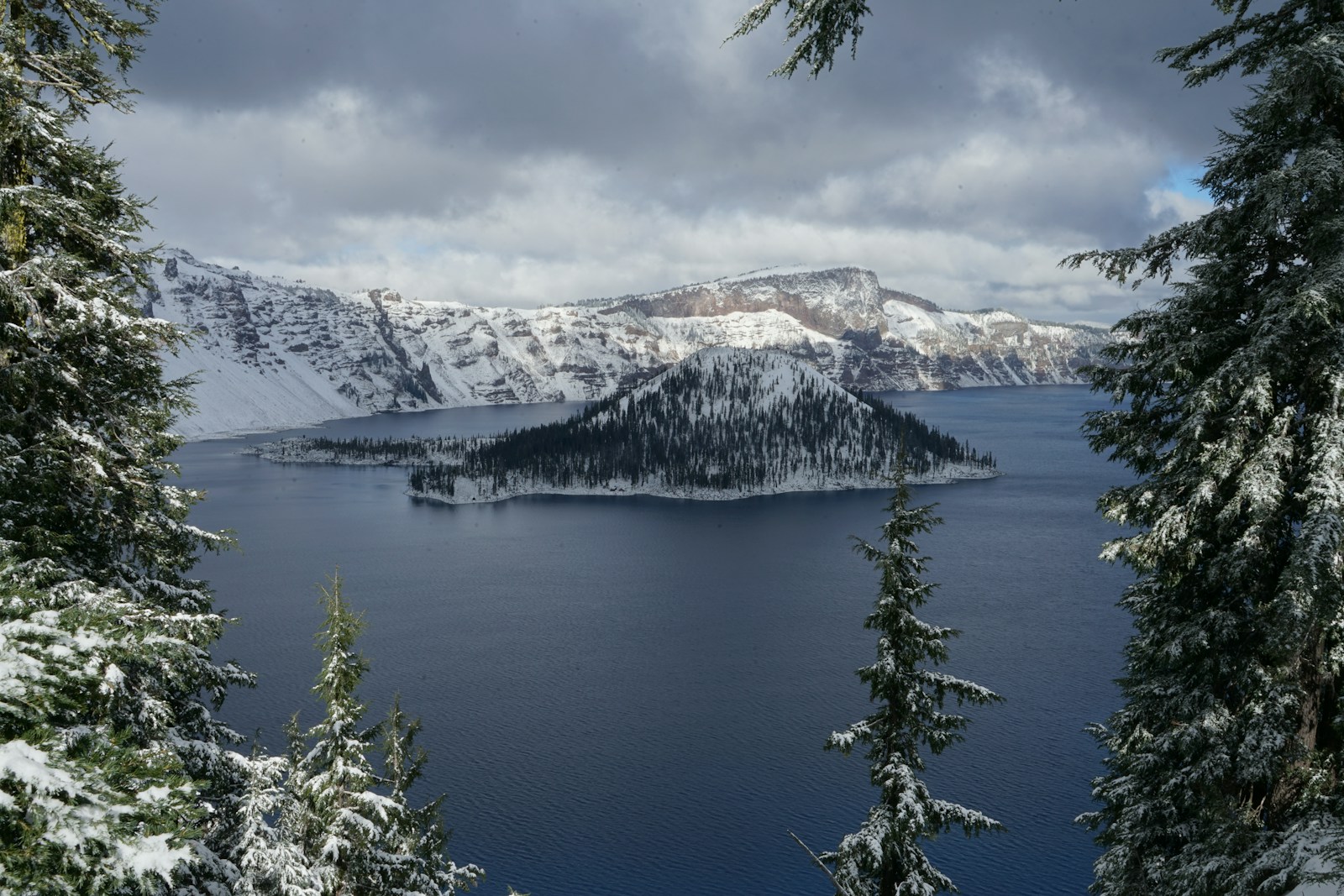
The deepest lake in the United States, Crater Lake's impossibly blue waters fill a volcanic caldera with extraordinary clarity and striking island formations.
Rim DriveCleetwood Cove TrailWizard IslandPhantom Ship
Walk among the tallest living things on Earth in Redwood National Park, where ancient groves of coast redwoods create cathedral-like forests along the northern California coast.
Tall Trees GroveFern CanyonJedediah Smith GroveLady Bird Johnson Grove
The hottest, driest, and lowest national park, Death Valley reveals stunning desert beauty from Badwater Basin's salt flats to the colorful Artists Palette.
Vast mesa-top views over deep canyons carved by the Colorado and Green Rivers, Canyonlands offers rugged backcountry and mesa-top panoramas that rival the Grand Canyon.
Island in the Sky OverlooksMesa ArchNeedles DistrictGreen River Overlook
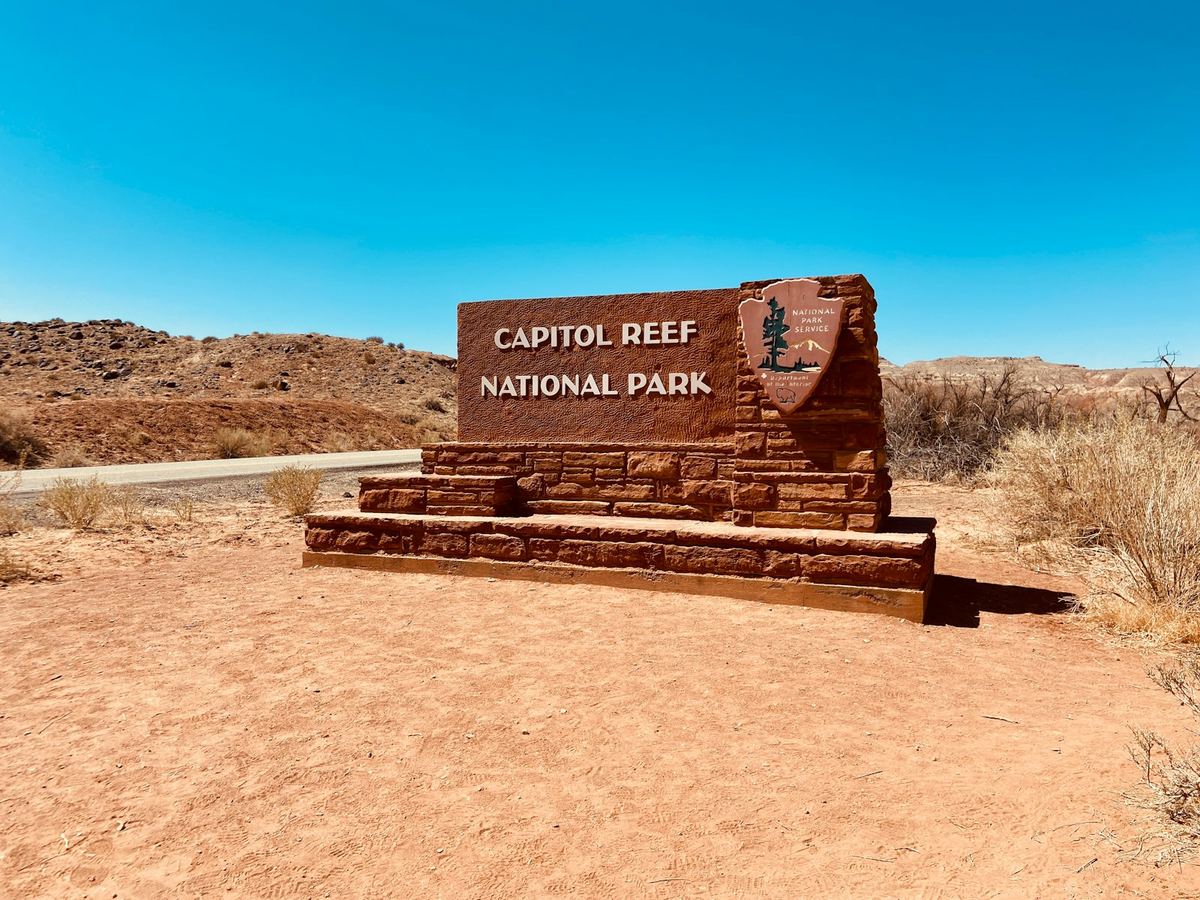
Often overlooked between Bryce and Canyonlands, Capitol Reef surprises with towering white sandstone domes, historic orchards, and the Waterpocket Fold's 100-mile wrinkle in the earth.
Hickman BridgeCassidy ArchChimney RockGifford House
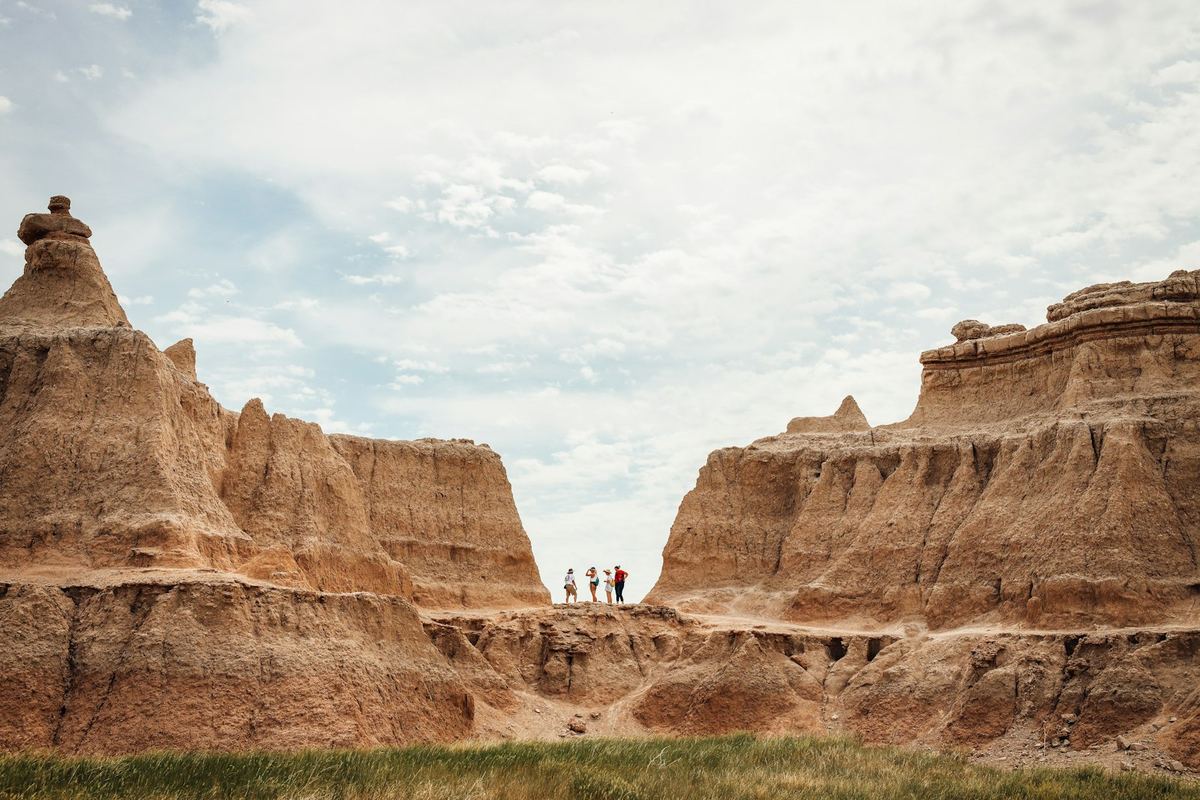
Dramatic eroded buttes and pinnacles rise from the prairie at Badlands, where fossil-rich formations tell stories of ancient ecosystems and bison still roam the grasslands.
Badlands Loop RoadNotch TrailYellow MoundsSage Creek Wilderness
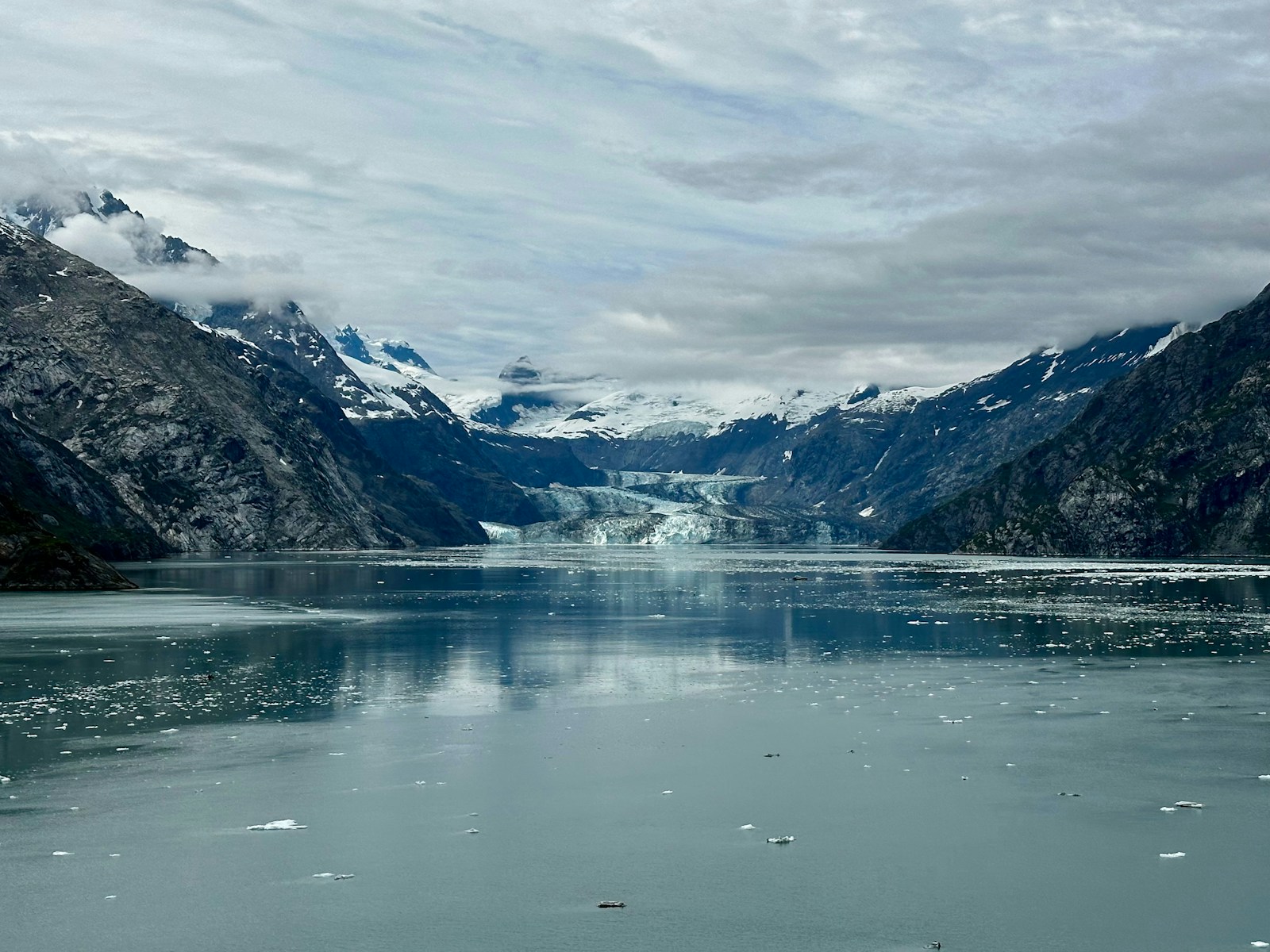
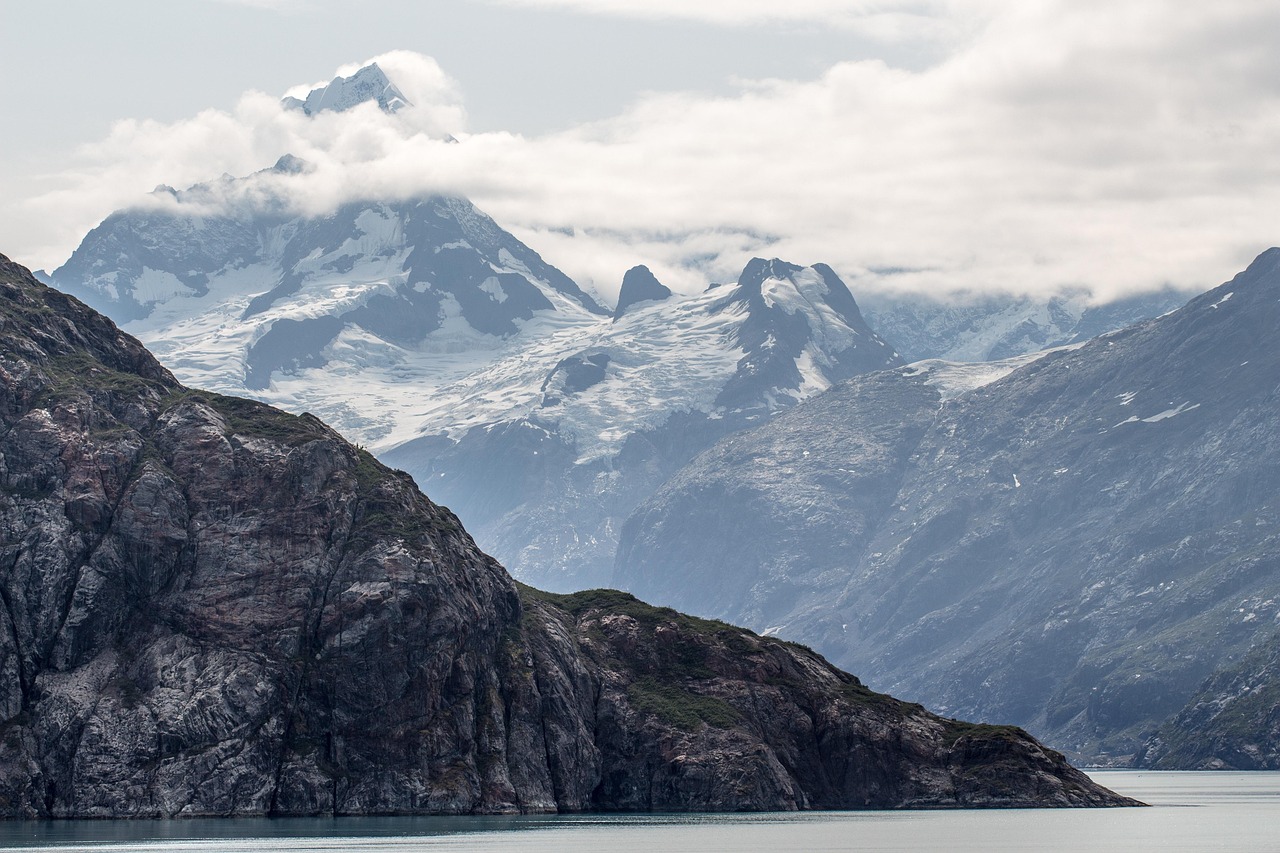
Massive tidewater glaciers calving into the sea, humpback whales breaching, and wilderness untouched by roads — Glacier Bay is Alaska at its most dramatic.
The world's longest known cave system with over 400 miles of passages, Mammoth Cave reveals a subterranean wonderland of gypsum formations and underground rivers.
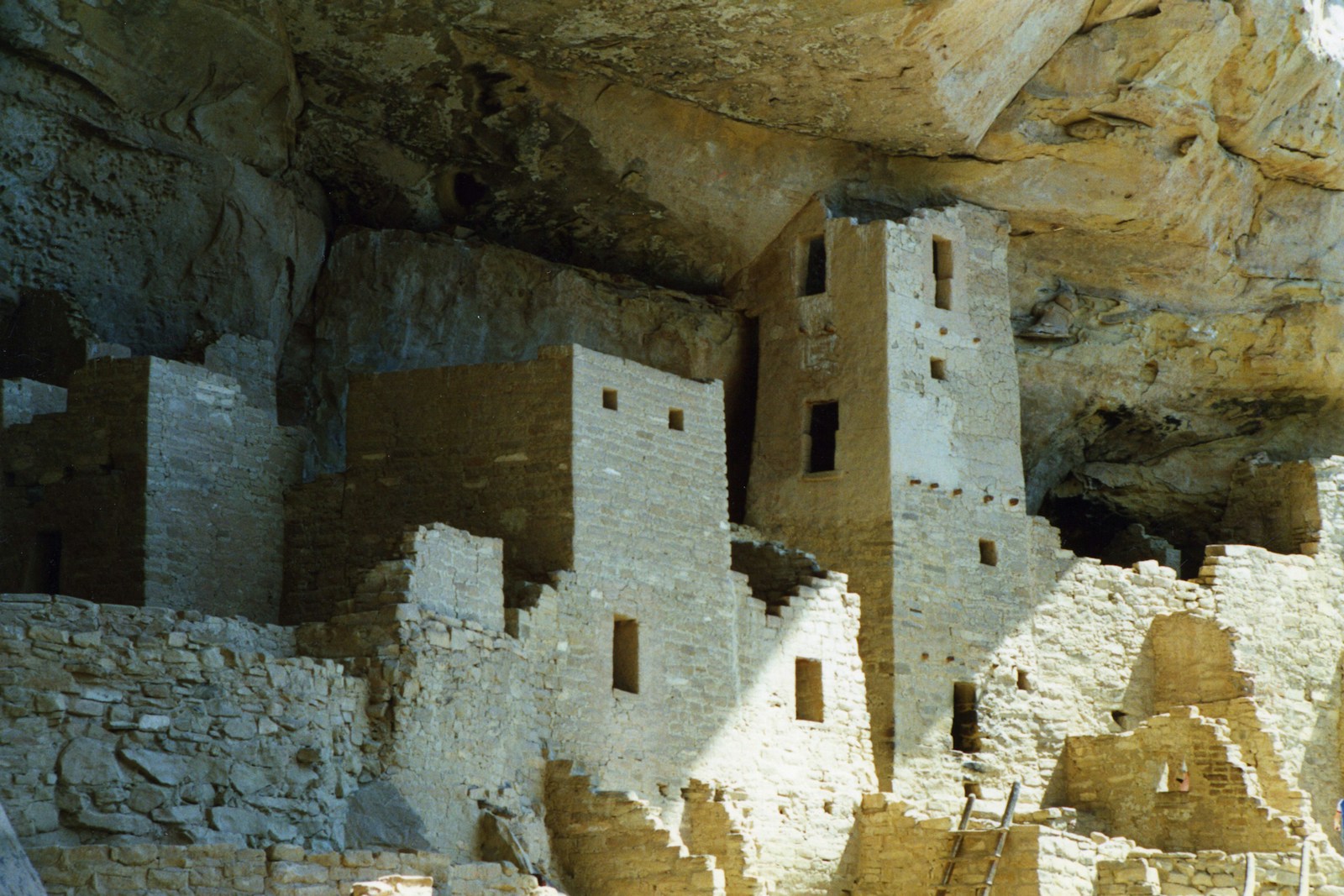
Preserving some of the best-preserved Ancestral Puebloan cliff dwellings in North America, Mesa Verde offers a fascinating window into lives lived on canyon walls 700+ years ago.
Cliff PalaceBalcony HouseSpruce Tree HouseLong House
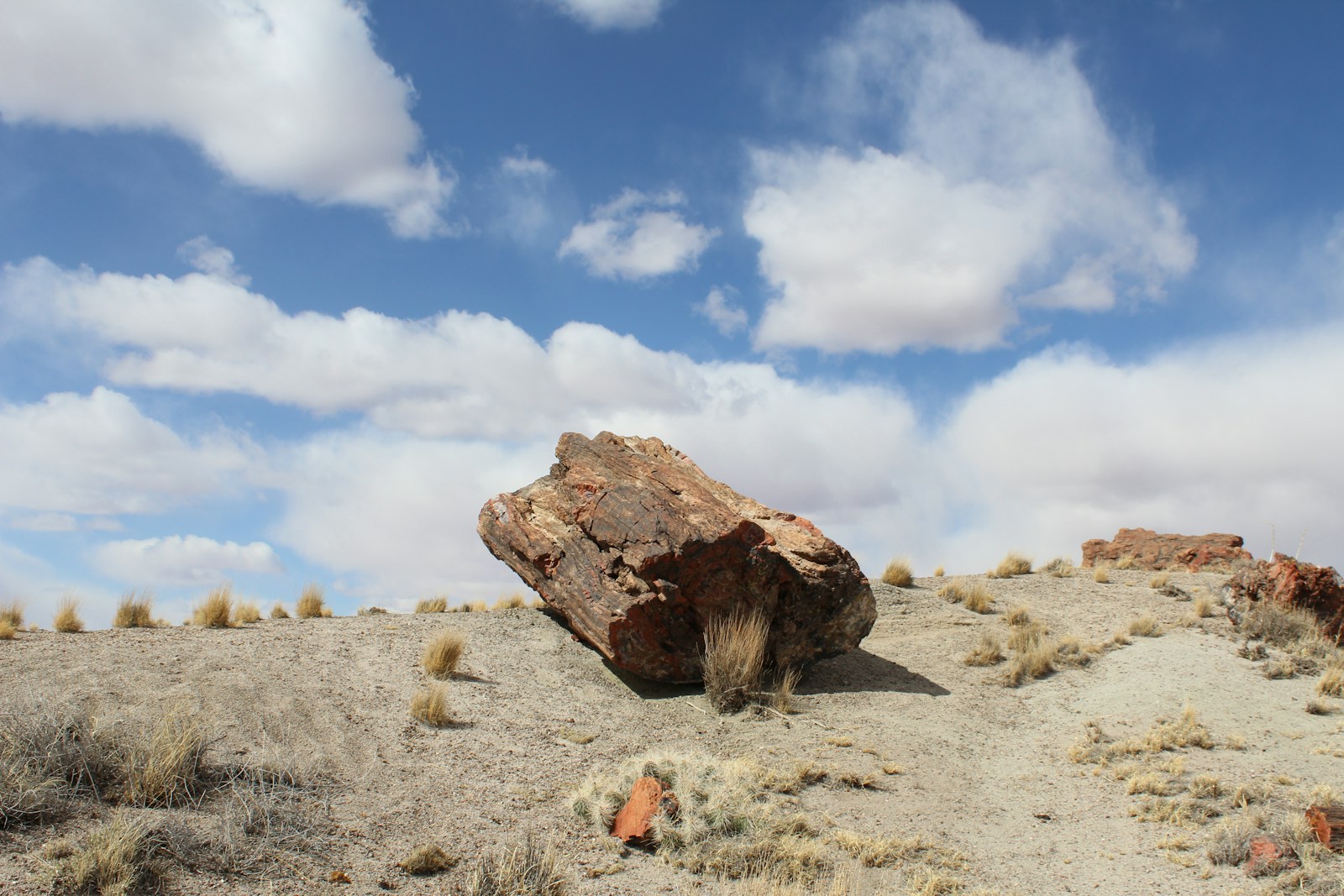
Rainbow-hued petrified wood logs scattered across a painted desert landscape make this park a surreal journey through 200 million years of geological history.
Crystal ForestBlue MesaPainted Desert InnNewspaper Rock
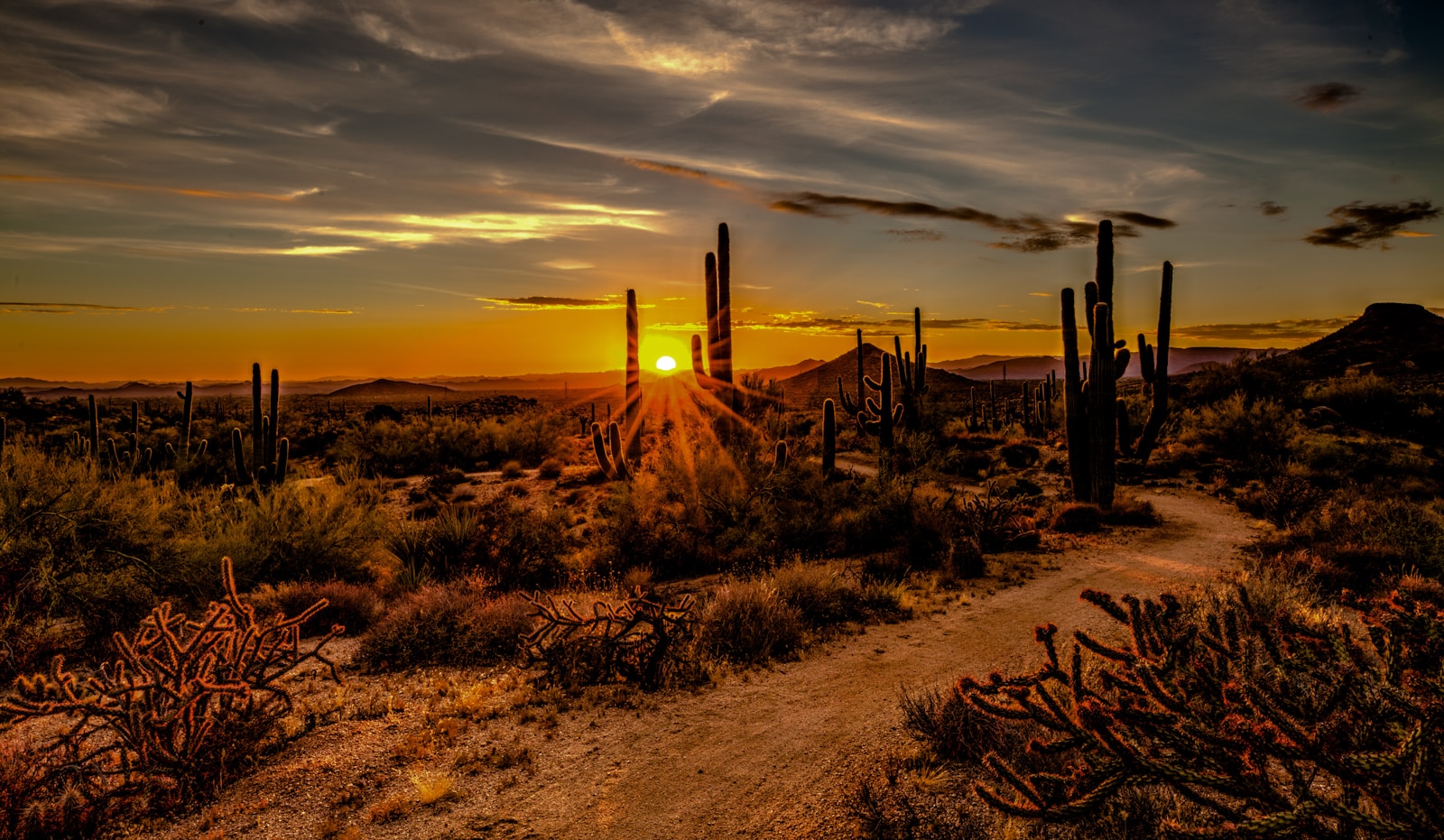
The iconic symbol of the American West, giant saguaro cacti stand sentinel over the Sonoran Desert in this park that celebrates the desert's surprising biodiversity.
Cactus Forest DriveSignal Hill PetroglyphsMica View TrailTanque Verde Ridge
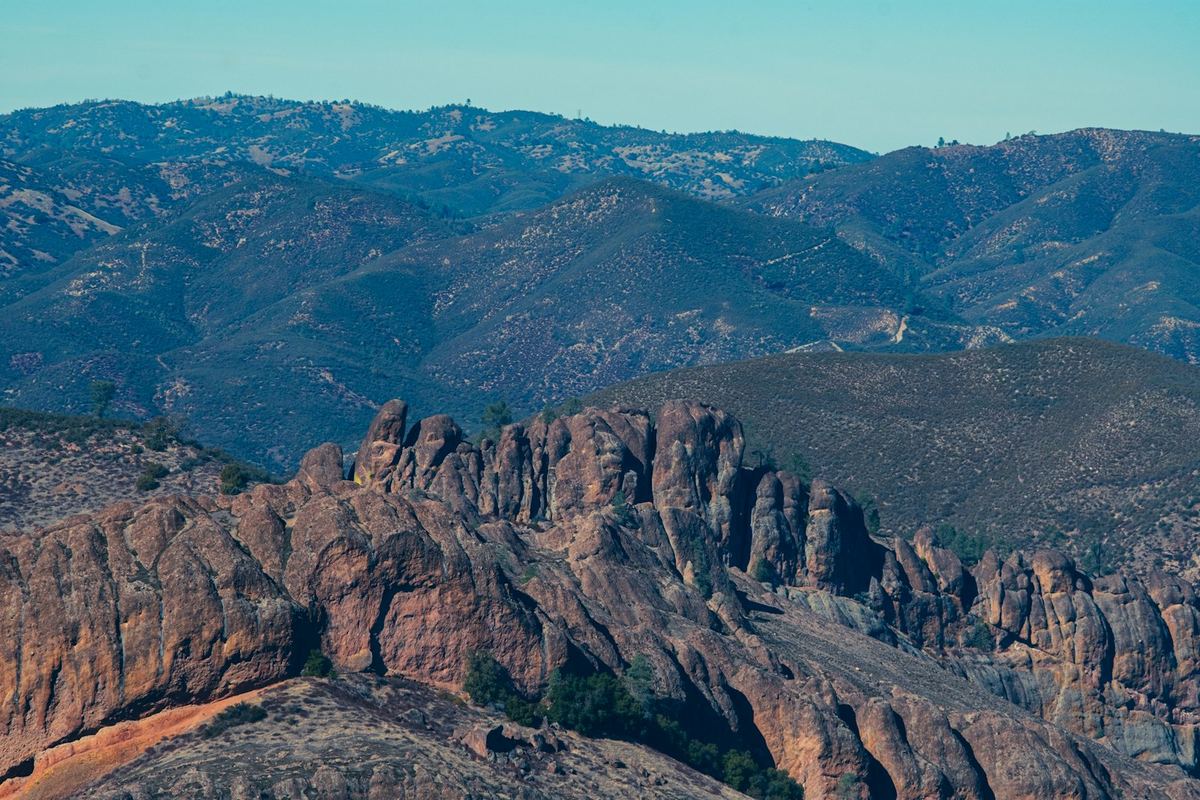
Dramatic volcanic rock formations, talus caves, and one of the few places to see California condors soaring in the wild, Pinnacles rewards those willing to venture off the beaten path.
High Peaks TrailBear Gulch CaveBalconies CaveCondor Viewing
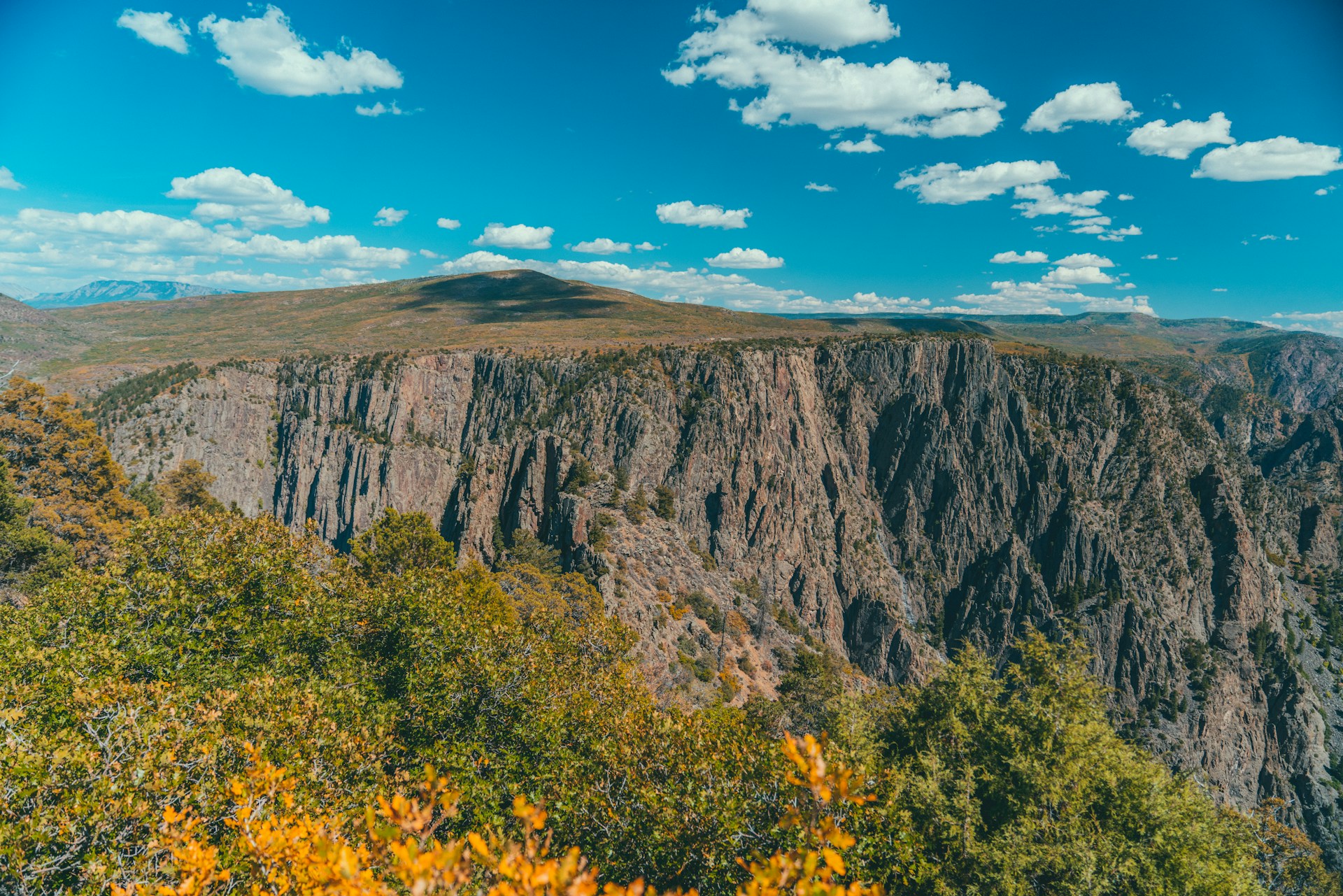
A dramatic, plunging gorge with some of the oldest exposed rock in North America, Black Canyon's sheer walls and painted cliffs are a breathtaking spectacle.
Gunnison PointChasm ViewWarner PointSouth Rim Road
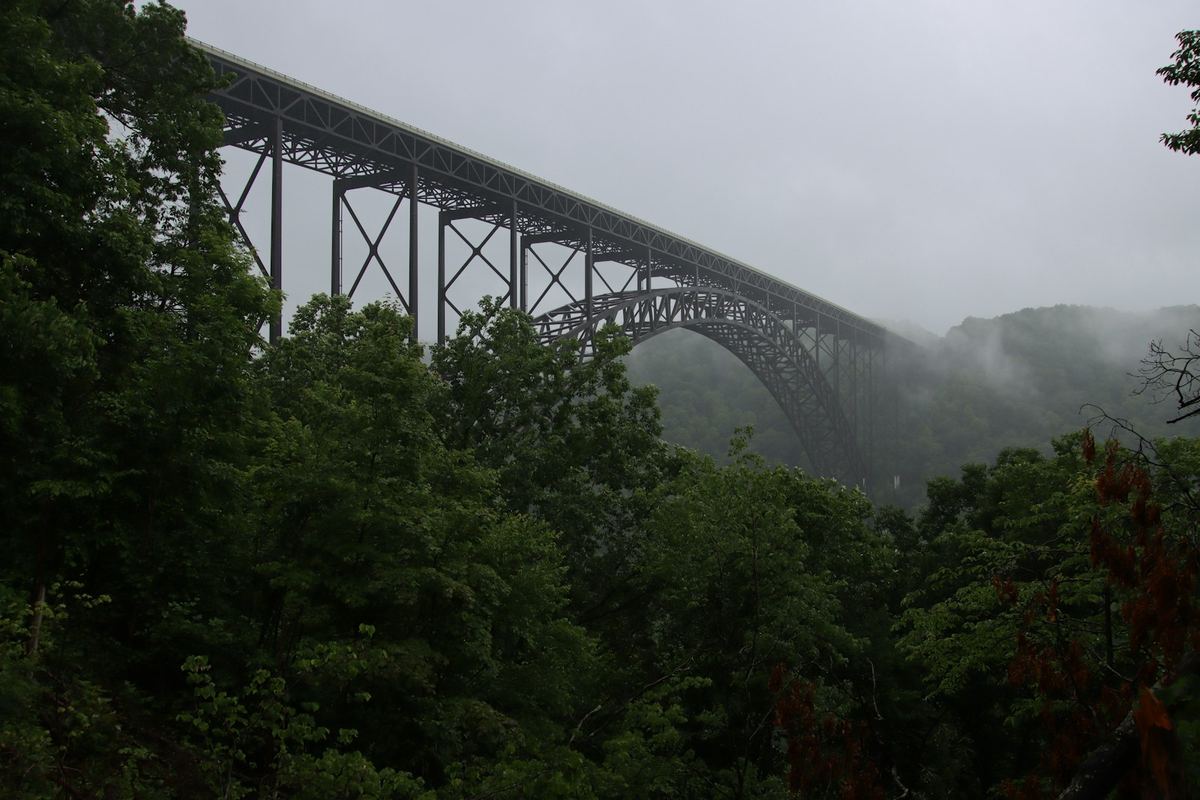
One of the newest national parks, New River Gorge combines world-class whitewater rafting, excellent rock climbing, and the iconic steel arch bridge spanning a deep forested gorge.
New River Gorge BridgeEndless Wall TrailFayette Station RoadSandstone Falls
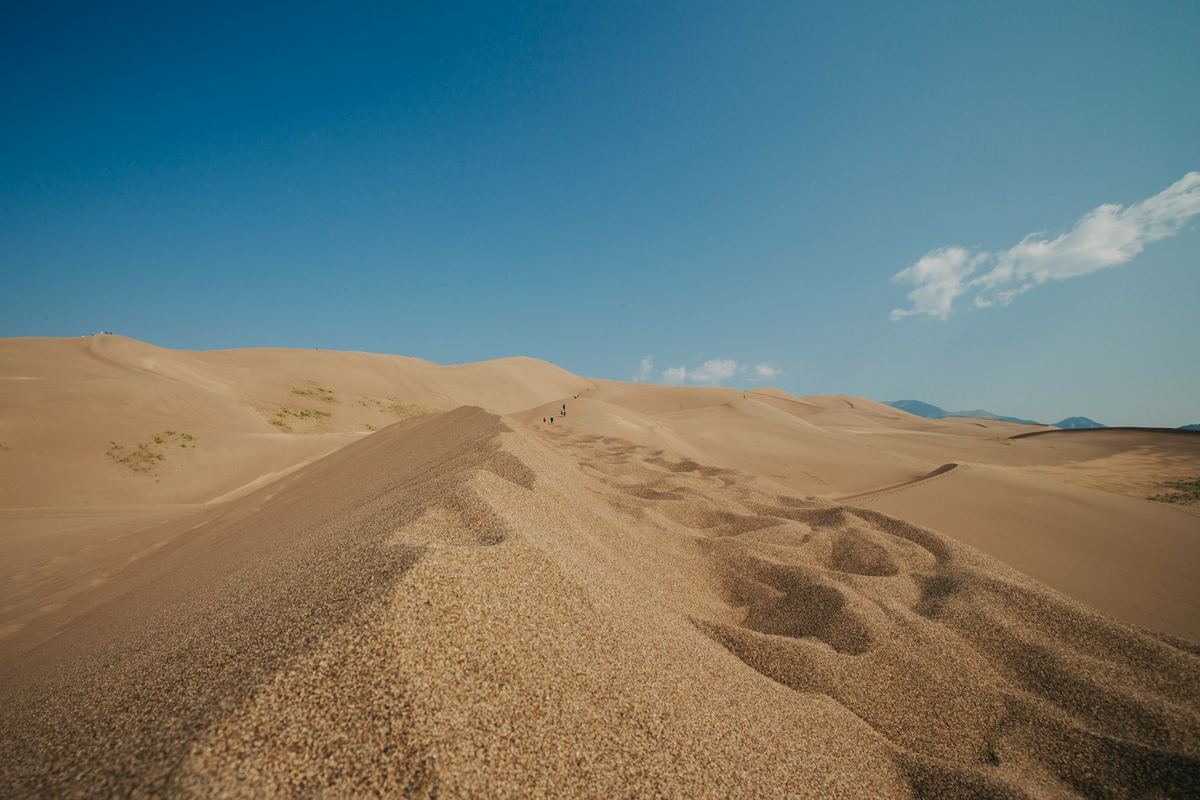
The tallest dunes in North America rise dramatically against the Sangre de Cristo Mountains, creating a surreal landscape where you can sled sand and splash in seasonal streams.
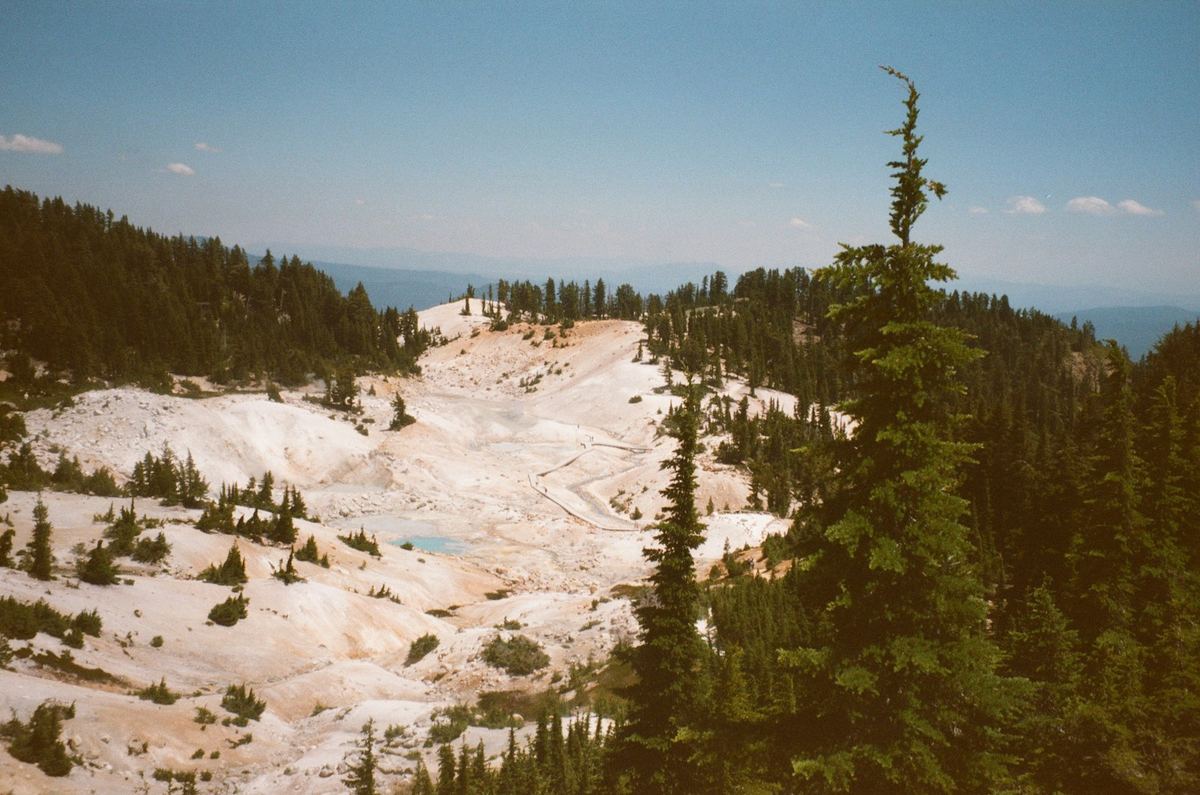
A sleeping volcano that last erupted in 1915, Lassen Volcanic showcases steaming fumaroles, crystal-clear lakes, and all four types of volcanoes found on Earth.
Bumpass HellLassen PeakManzanita LakeKings Creek Falls
The most rugged and least visited park in Washington, North Cascades is a wilderness of glaciers, alpine lakes, and thundering waterfalls with over 300 glaciers — more than Glacier National Park.
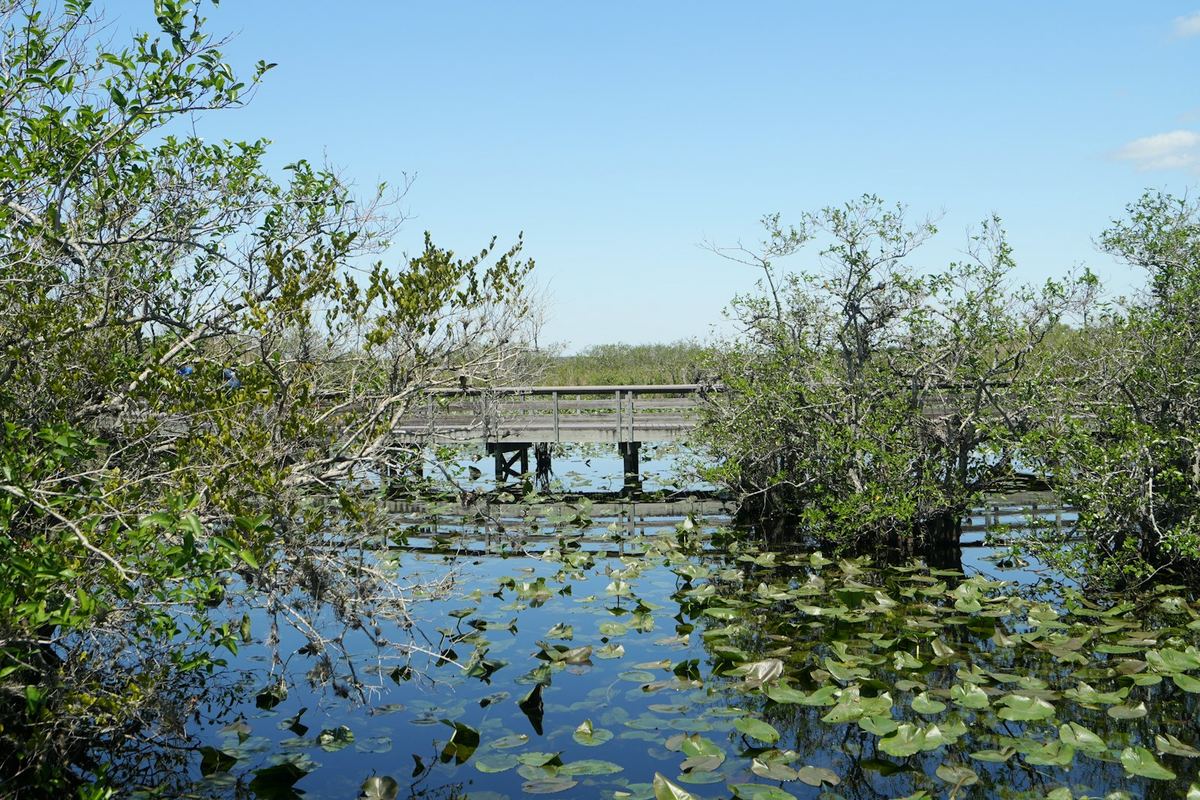
The largest subtropical wilderness in the US, Everglades is a vast slow-moving river of grass teeming with alligators, manatees, and rare bird species.
Shark ValleyAnhinga TrailFlamingoErnest Coe Visitor Center
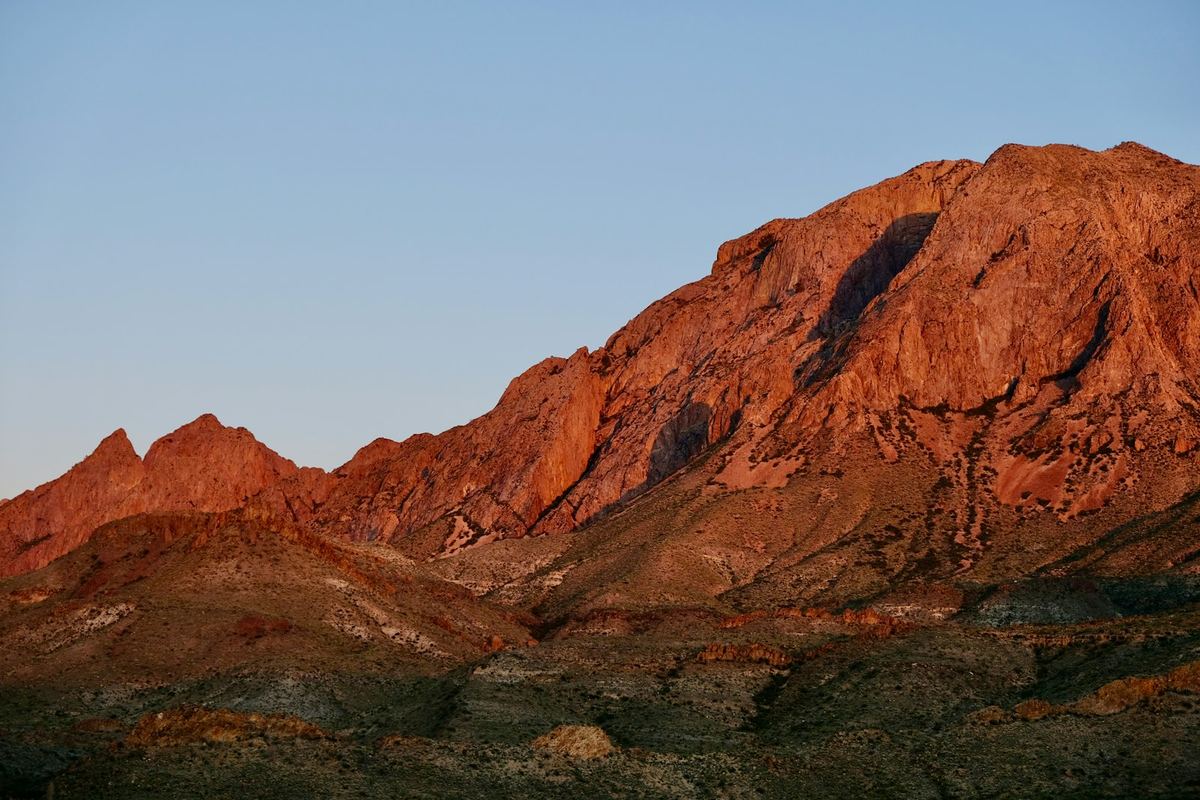
Where the Rio Grande makes a dramatic curve through desert and mountains, Big Bend offers remote wilderness, dark skies, and hot springs along the Mexican border.
Santa Elena CanyonChisos MountainsBoquillas CanyonHot Springs
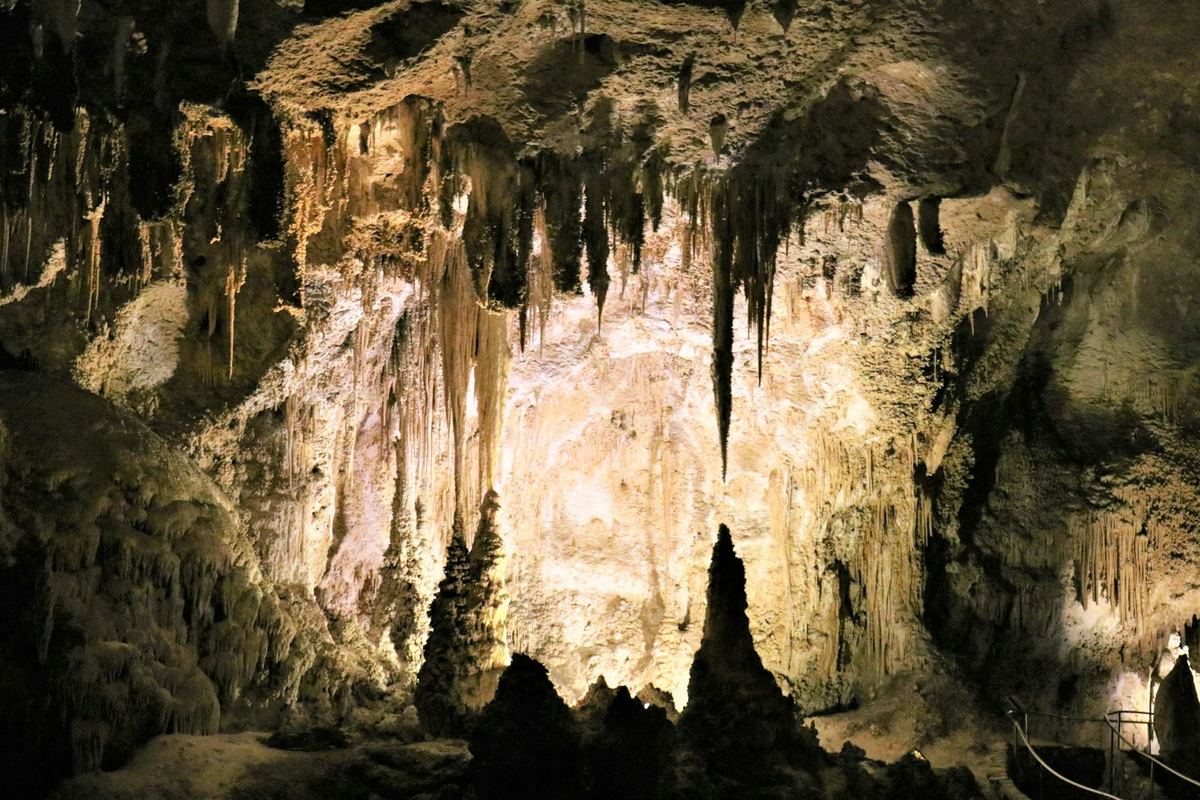
A subterranean cathedral of limestone formations, Carlsbad Caverns features some of the largest cave chambers in the world and a nightly bat flight spectacle.
Big RoomNatural EntranceKing's PalaceBat Flight Program
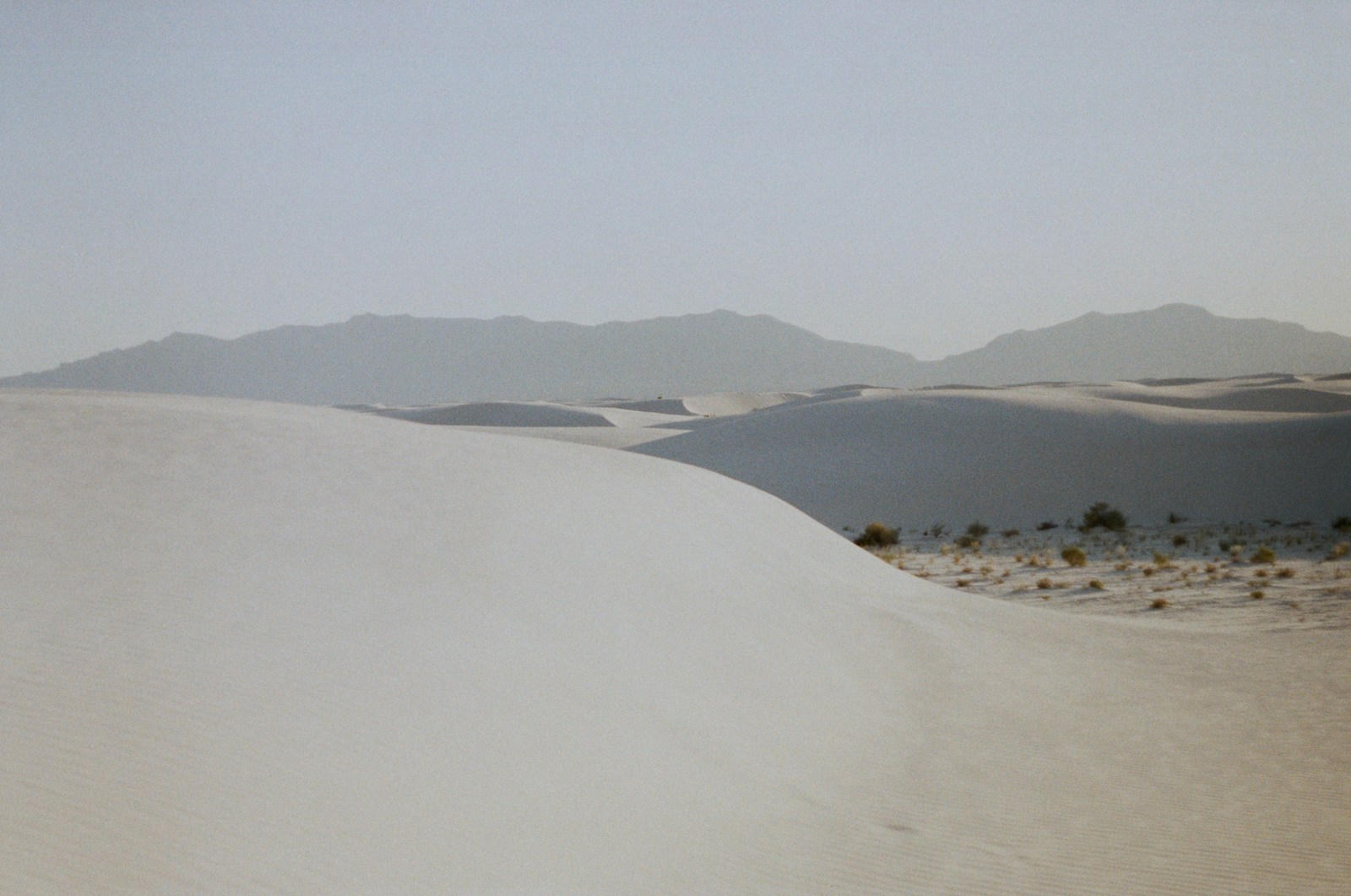
The world's largest gypsum dune field creates an otherworldly white landscape where you can sled down shimmering, snow-like dunes under brilliant blue skies.
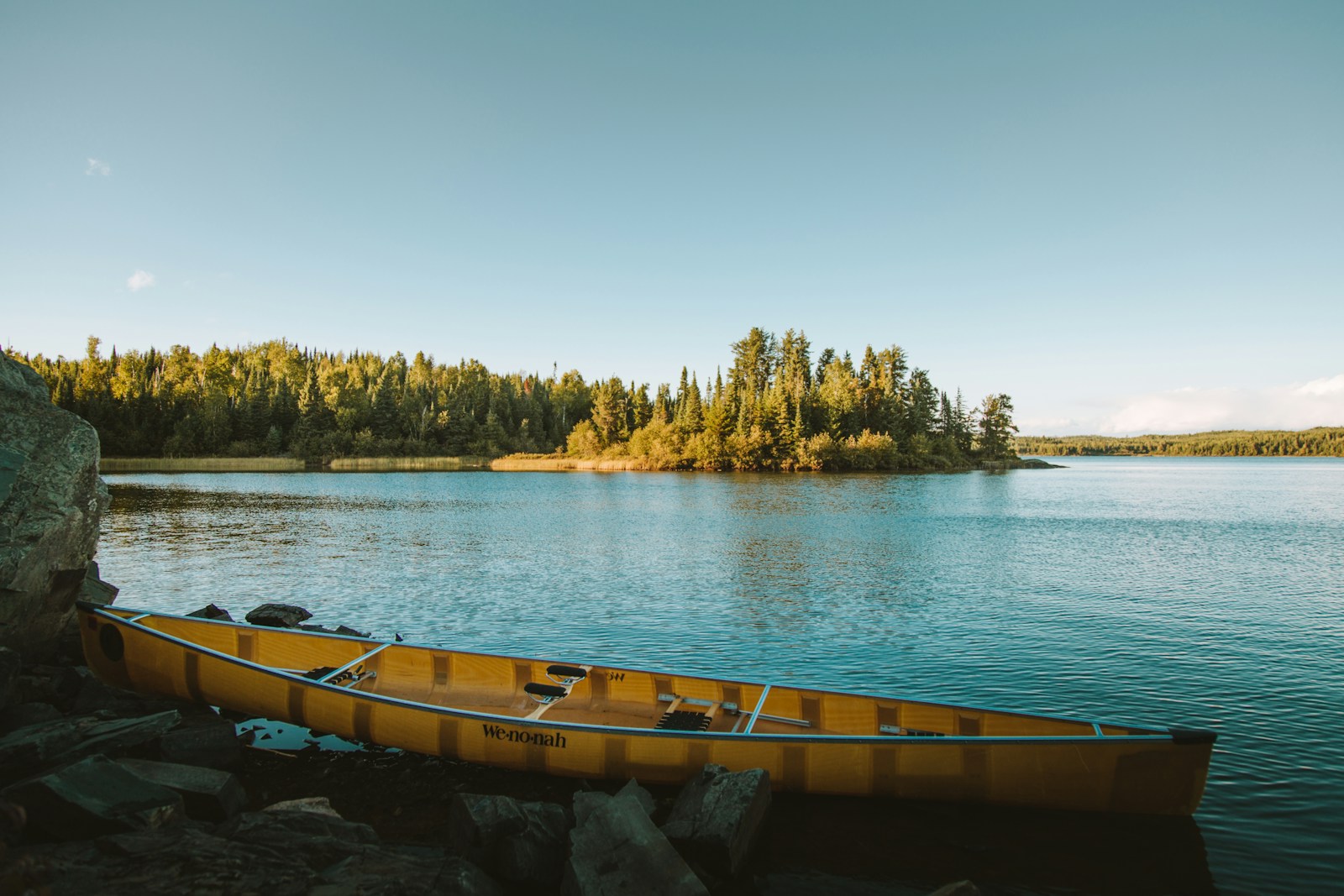
A remote wilderness island in Lake Superior, Isle Royale is a paddler's and backpacker's paradise famous for its wolf-moose predator-prey study and pristine solitude.
Greenstone Ridge TrailTobin HarborRock HarborFeldtmann Lake
A water-based park on the Minnesota-Ontario border, Voyageurs offers world-class fishing, boating, and some of the best northern lights viewing in the lower 48 states.
Kabetogama LakeRainy LakeEllsworth Rock GardensAnderson Bay
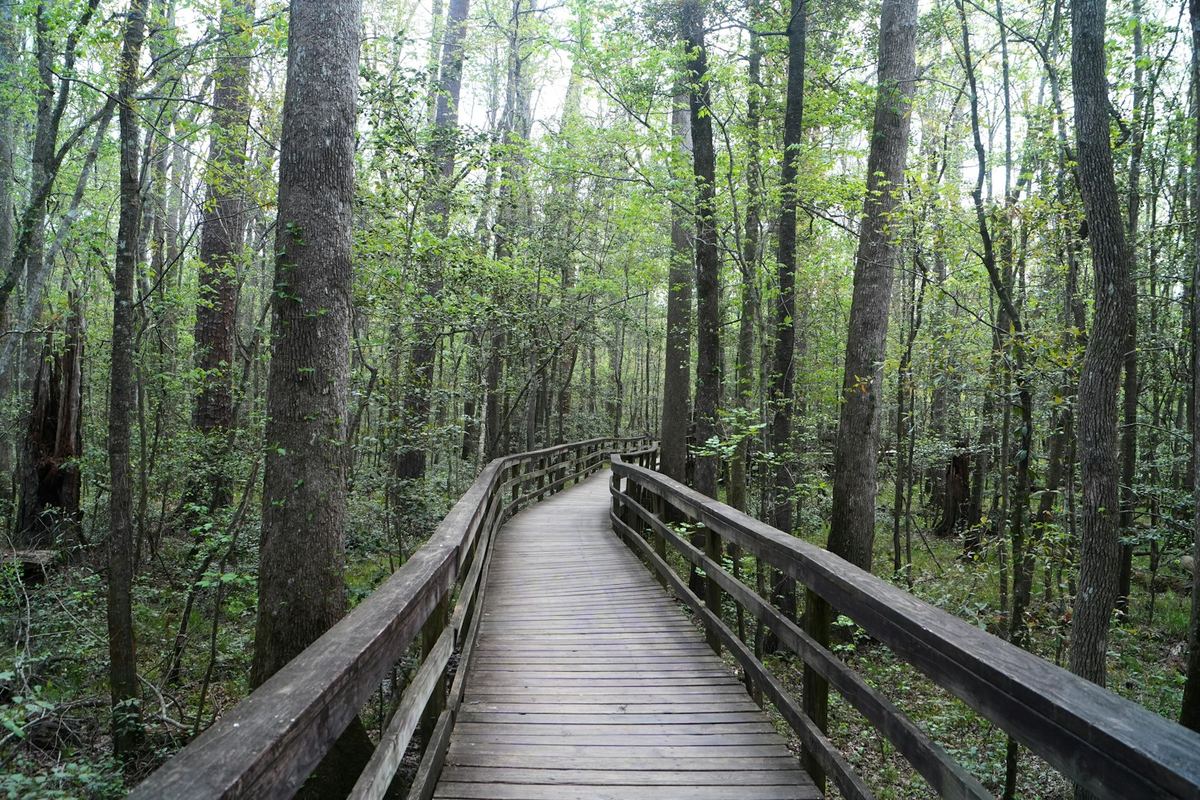
The largest intact old-growth bottomland hardwood forest in the US, Congaree's champion trees and floodplain ecosystem create a cathedral-like canopy over boardwalk trails.
Boardwalk Loop TrailWeston LakeKingsnake TrailCedar Creek Canoe Trail
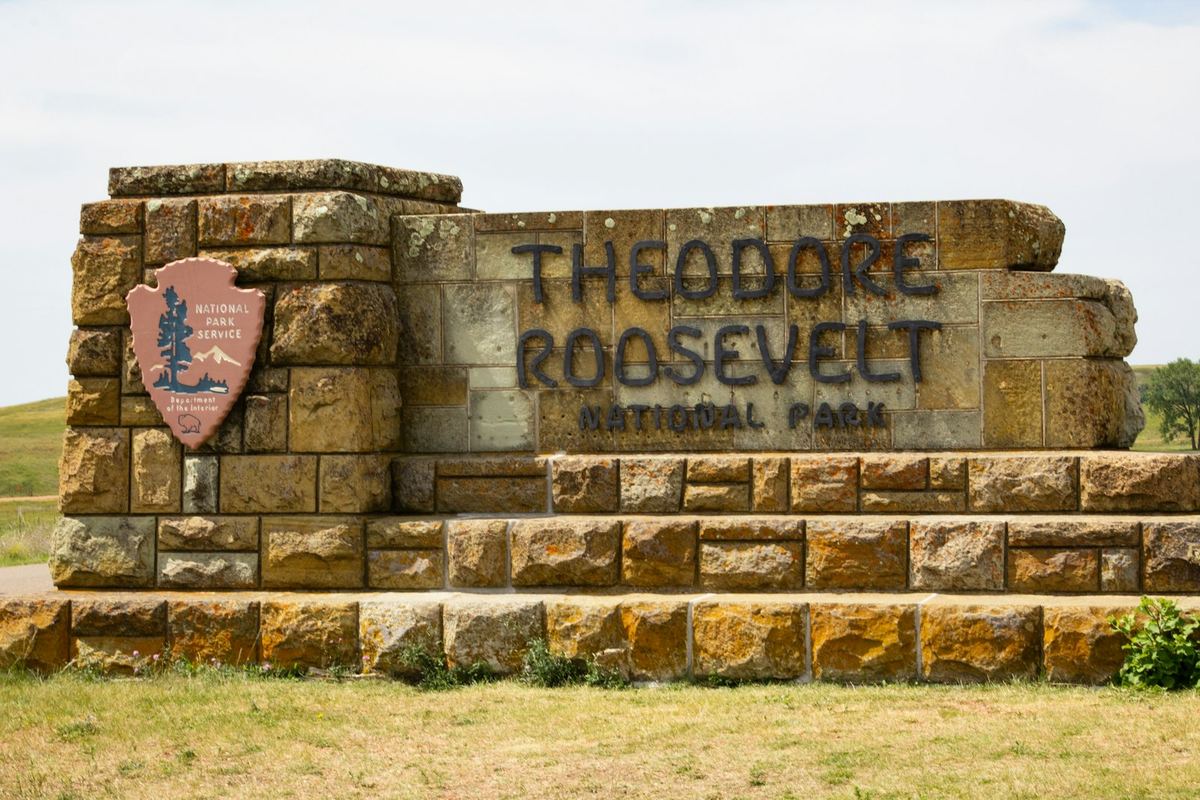
Named for the president who birthed the conservation movement, this badlands park preserves rugged prairie vistas, bison herds, and the cabin where Roosevelt found his calling.
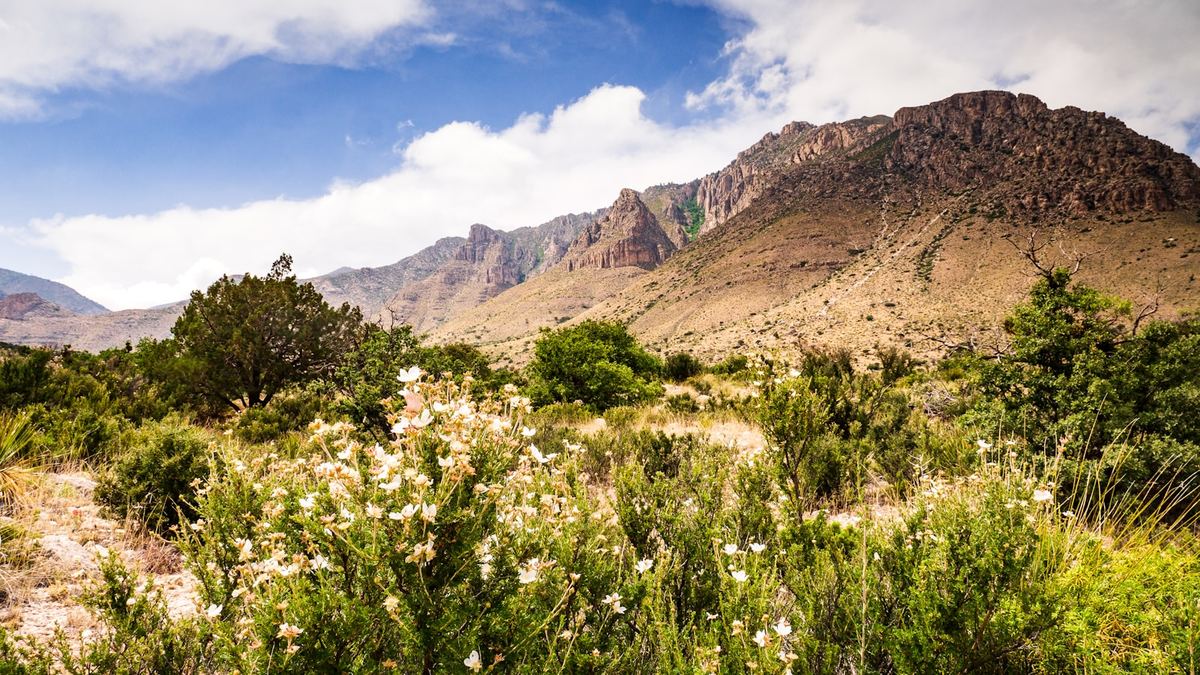
Home to the four highest peaks in Texas and a fossil reef rising from the desert, Guadalupe Mountains is a hiker's paradise with dramatic elevation changes and remote beauty.
Guadalupe PeakMcKittrick CanyonDevils HallSmith Spring
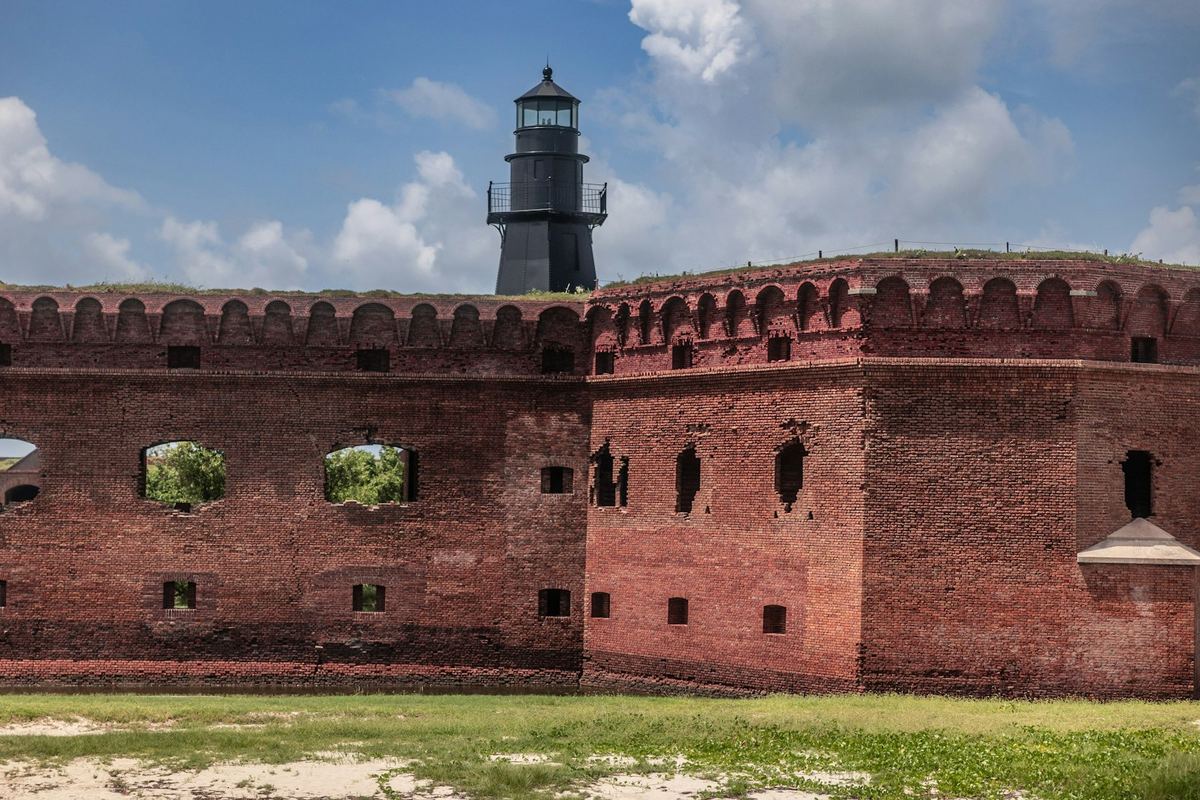
Seventy miles west of Key West in the Gulf of Mexico, Dry Tortugas combines a massive Civil War-era fort with pristine coral reefs and crystal-clear waters.
Fort JeffersonSnorkeling ReefsLoggerhead KeyCampgrounds
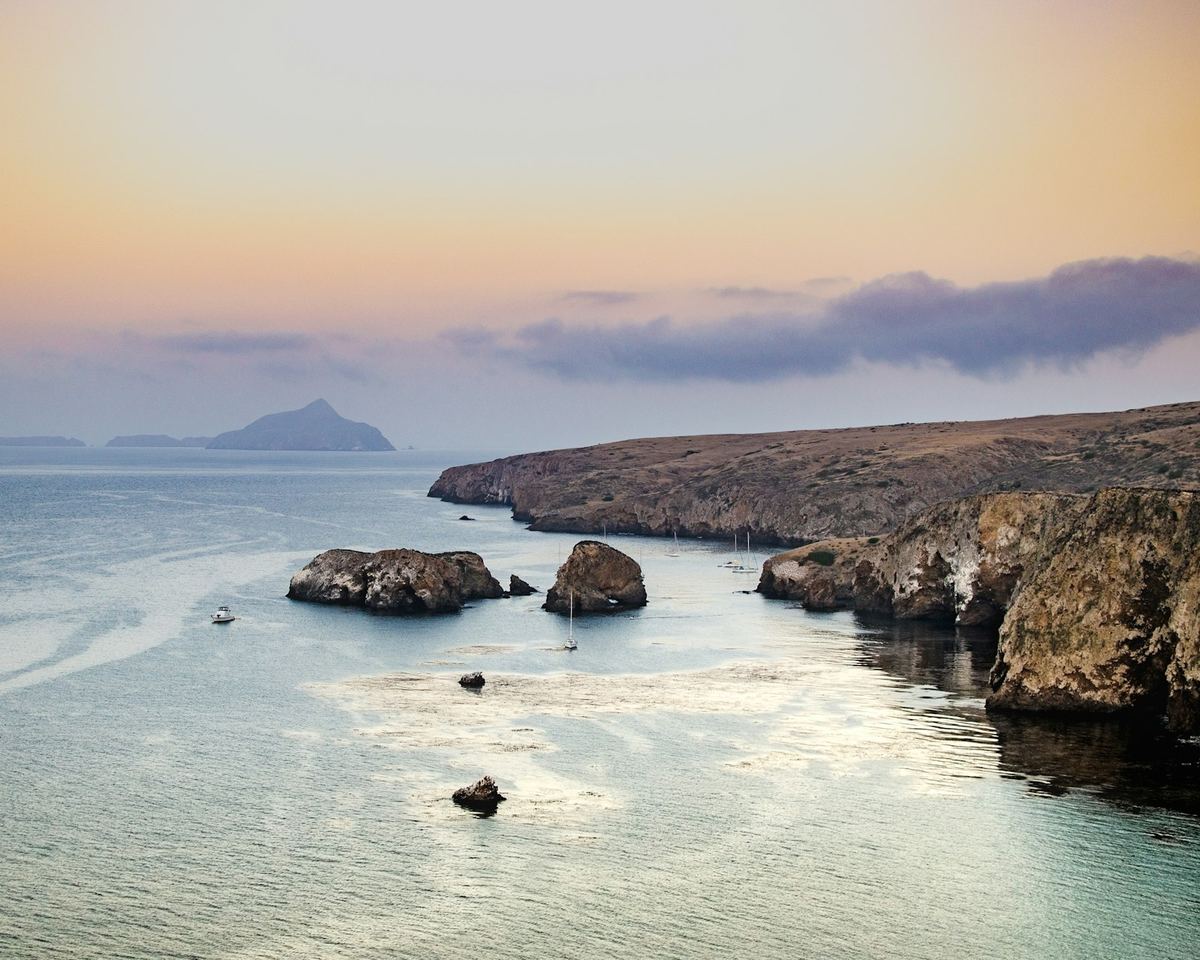
Often called the Galapagos of North America, Channel Islands harbors 145 endemic species in pristine coastal waters and kelp forests accessible only by boat or plane.
Anacapa Island LighthouseScorpion RanchPainted CaveSea Lion Rookeries
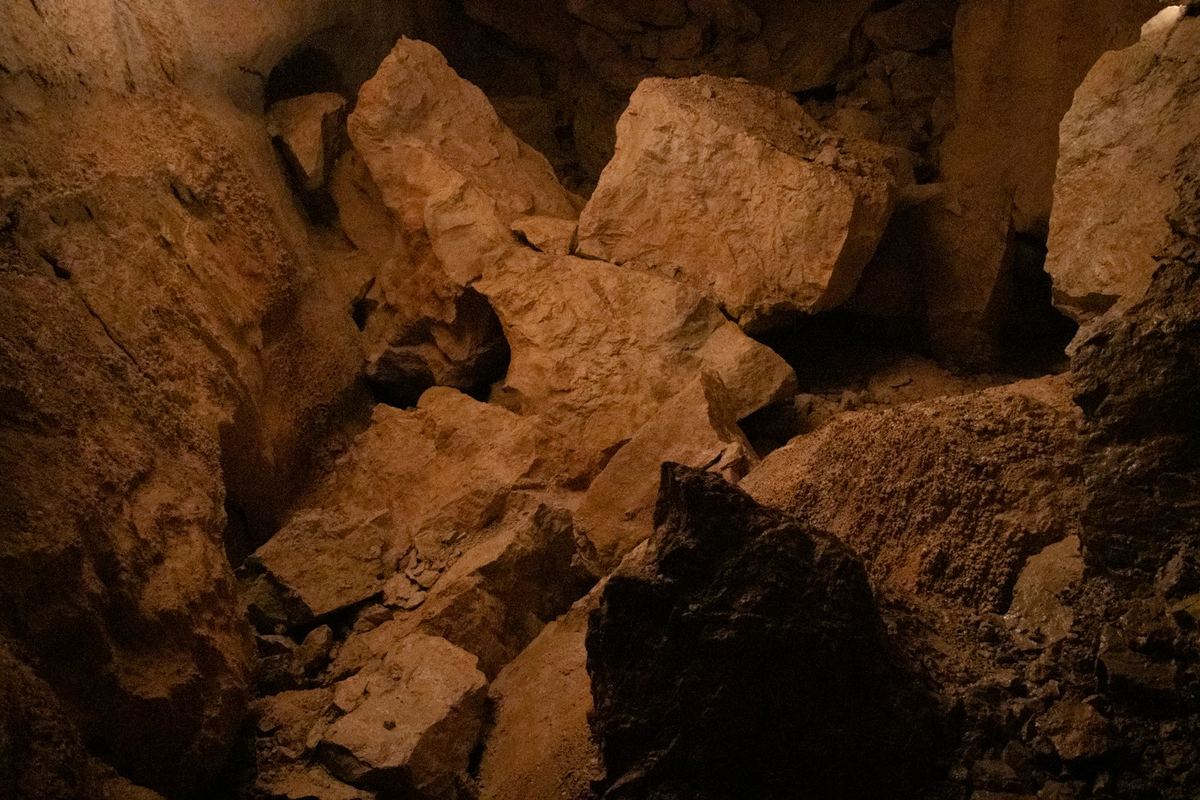
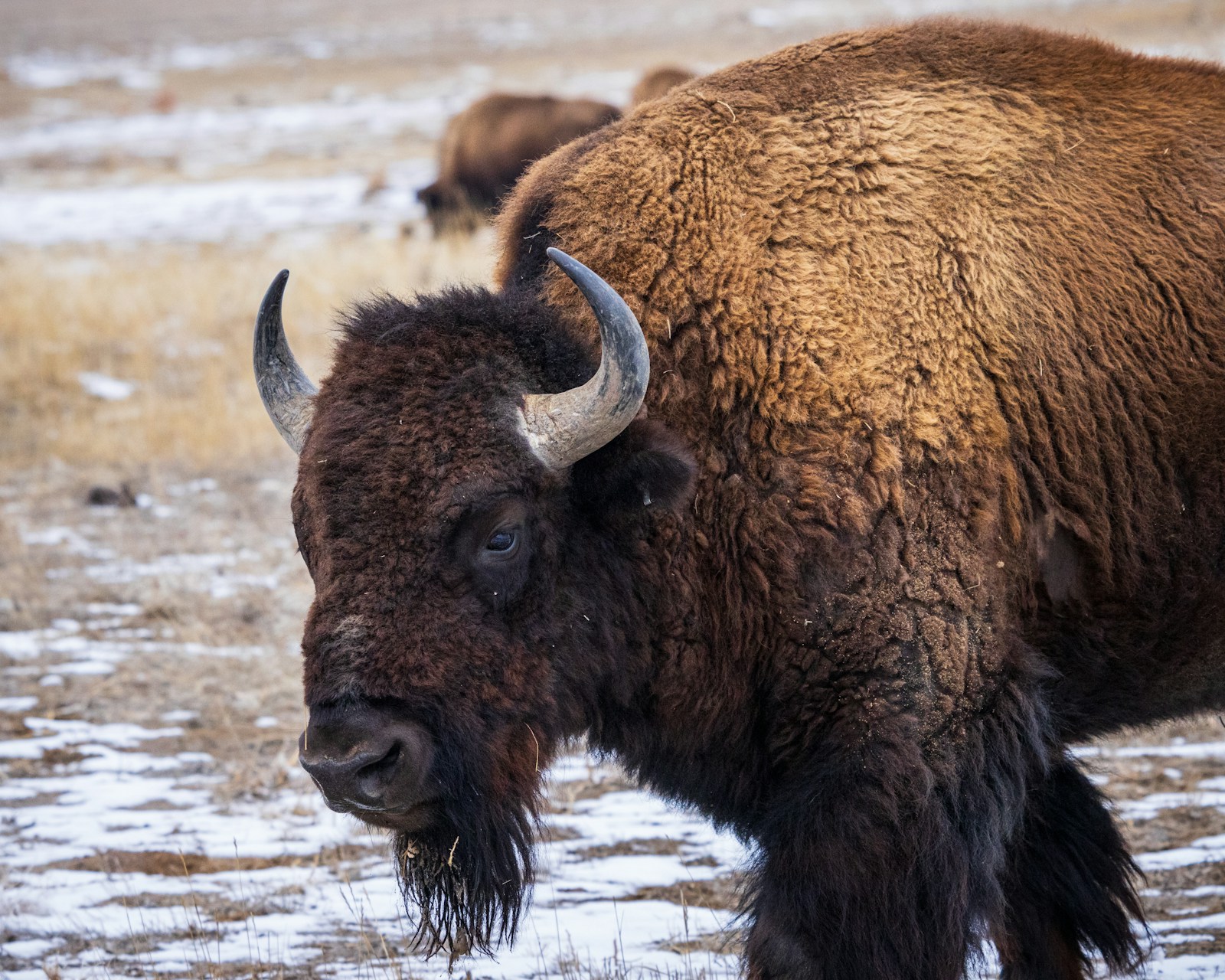
One of the longest caves in the world with distinctive boxwork formations, Wind Cave also preserves one of the last mixed-grass prairies with a reintroduced bison herd.
Boxwork FormationsNatural Entrance TourCave BoxworkPrairie Dog Towns
World famous for its brown bears fishing at Brooks Falls, Katmai also harbors the Valley of Ten Thousand Smokes — a dramatic volcanic landscape from the 1912 eruption.
Brooks FallsValley of Ten Thousand SmokesNaknek LakeSavonoski River
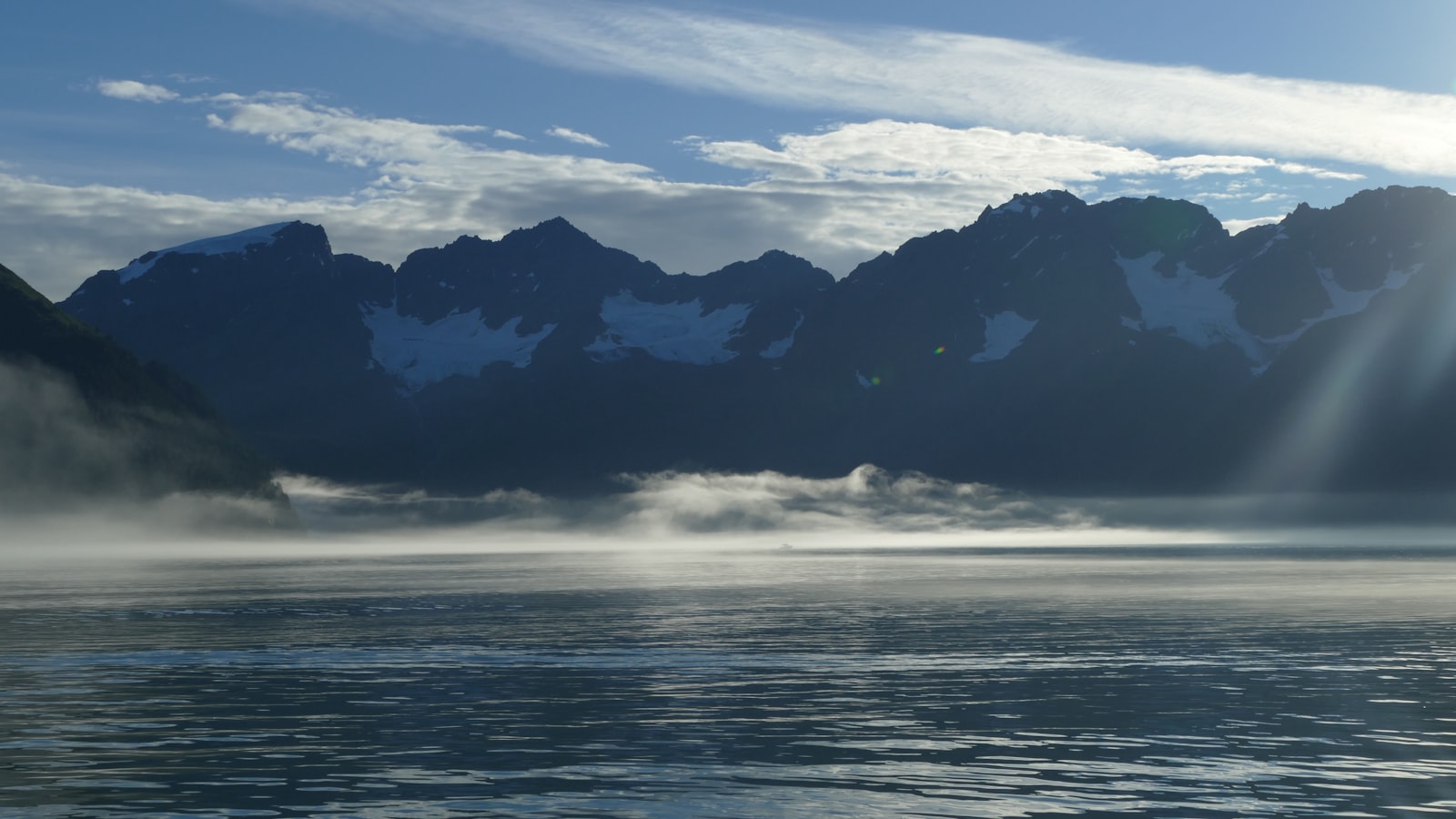
Where glaciers meet the sea at the edge of the Harding Icefield, Kenai Fjords offers boat tours past calving glaciers, whale watching, and dramatic coastal scenery.
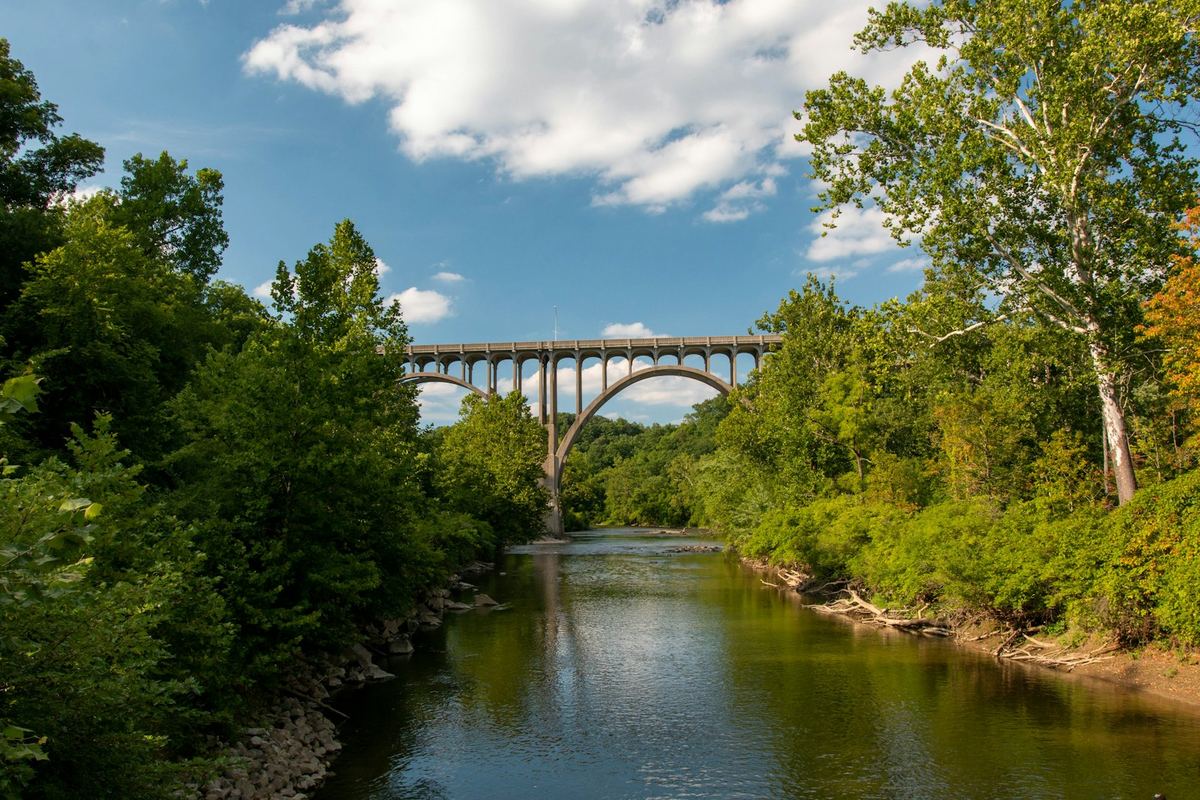
Between Cleveland and Akron, Cuyahoga Valley offers a surprising oasis of waterfalls, historic railways, and scenic towpath trails along the Cuyahoga River.
Brandywine FallsTowpath TrailCuyahoga Valley Scenic RailroadLedges Trail
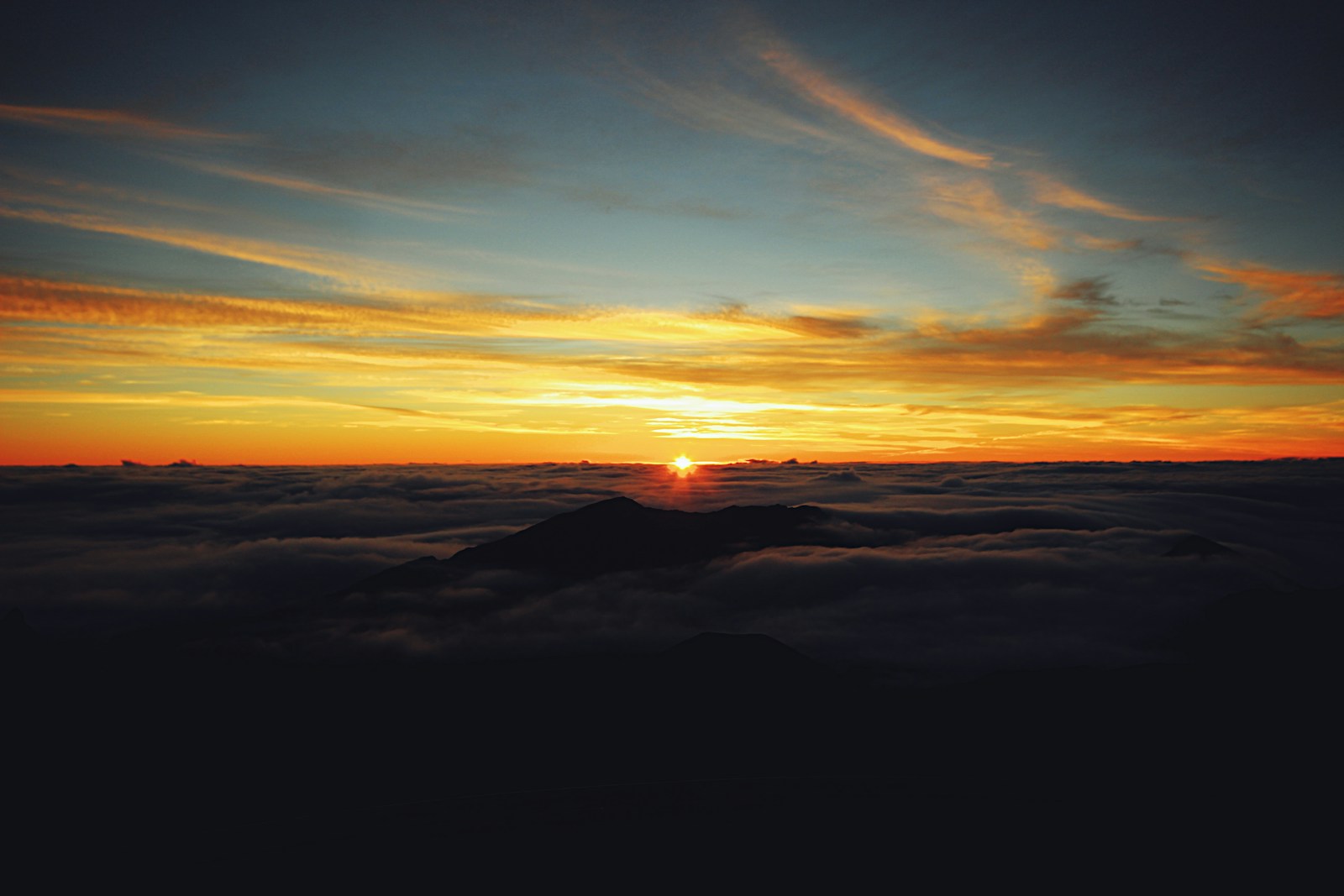
Maui's dormant volcano offers one of the most spectacular sunrises on Earth above the clouds, plus otherworldly cinder deserts and rare silversword plants found nowhere else.
Haleakala SunriseSliding Sands TrailHosmer GroveLa Perouse Bay
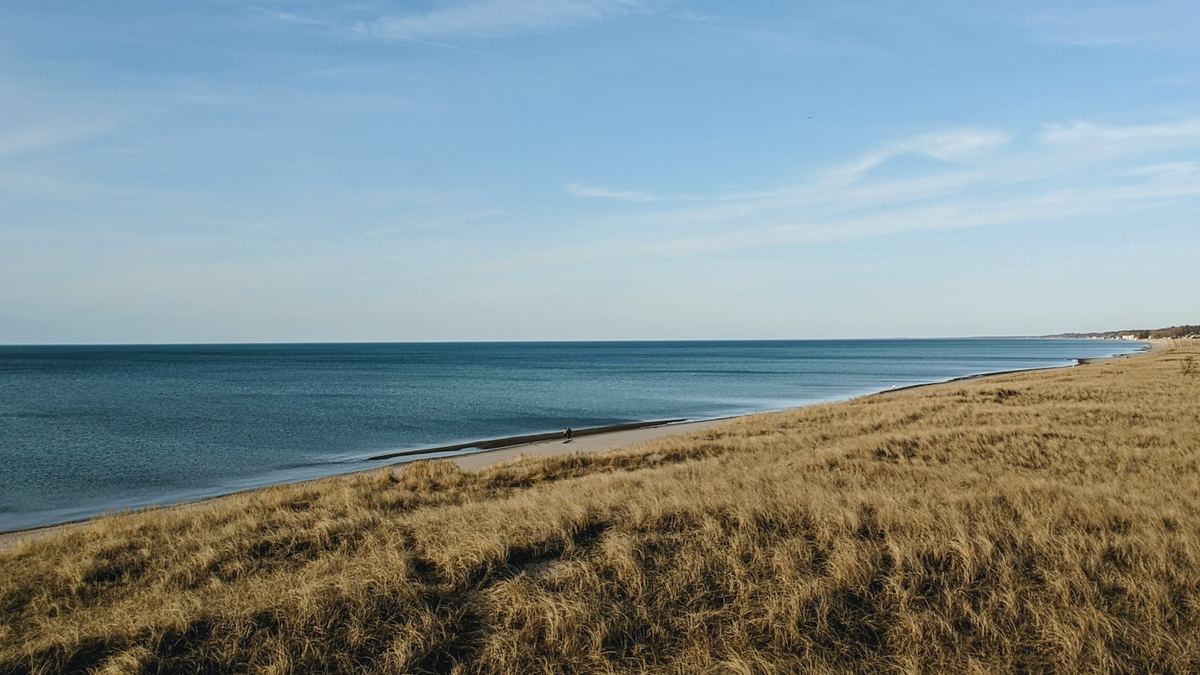
Where Lake Michigan's waves meet towering sand dunes and rare prairie ecosystems, Indiana Dunes offers beach fun and biodiversity just an hour from Chicago.
Mount BaldyWest BeachDune Succession TrailPinhook Bog
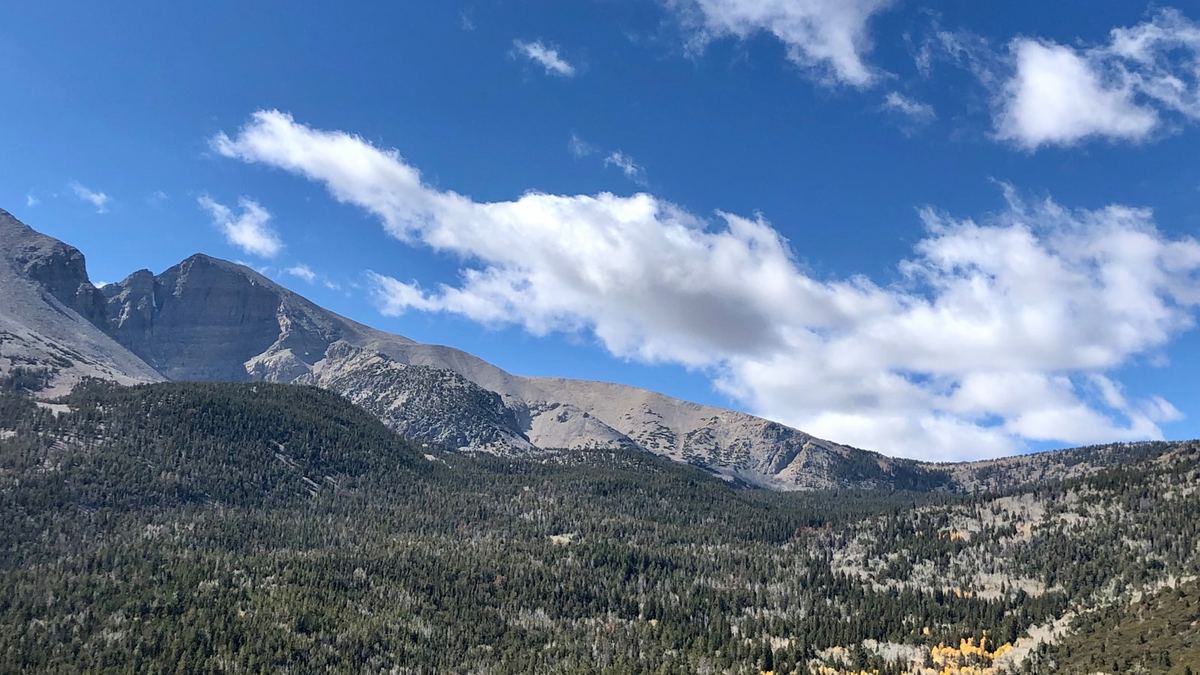
From underground caves to 13,000-foot peaks and some of the darkest skies in America, Great Basin is Nevada's hidden gem where you can see a glacier, a cave, and the Milky Way in one day.
Lehman CavesWheeler PeakStargazing ProgramsBristlecone Pine Trail
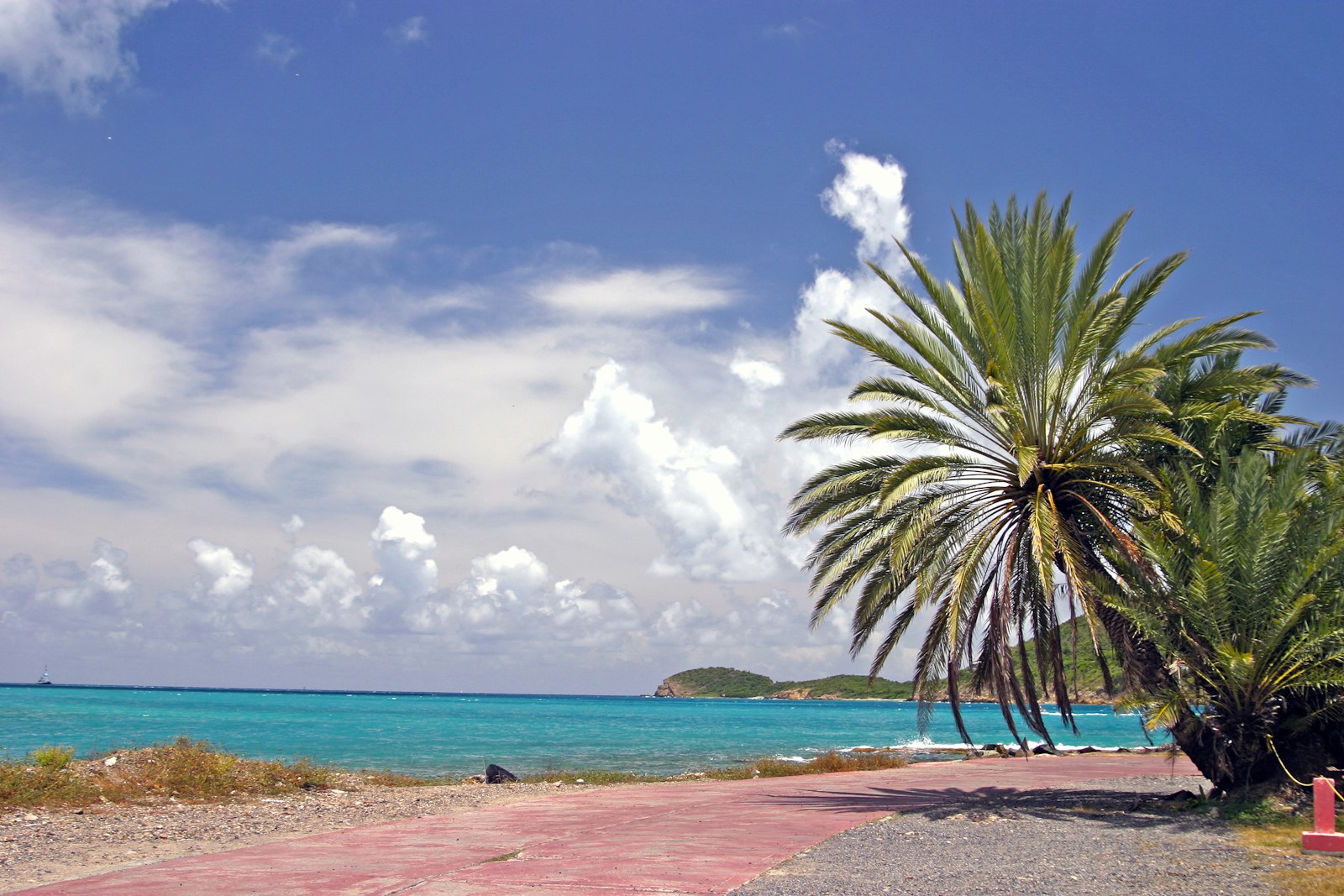
Crystal-clear Caribbean waters, pristine coral reefs, and lush tropical forests on St. John make this park a snorkeler's paradise with world-class underwater trails.
Trunk Bay Underwater TrailReef Bay TrailCinnamon BaySalt Pond Bay
The oldest park in the National Park system, Hot Springs preserves bathhouses built over natural thermal springs where visitors have soaked for centuries.
Protecting a stretch of Florida's Coral Gables coastline, Biscayne National Park is 95% water — a snorkeler's and paddler's paradise of mangrove forests and vibrant reefs.
American Samoa6.8/10Very LowDry Season (May–October)
The only US national park south of the equator, American Samoa protects pristine rainforests, coral reefs, and Samoan culture across three volcanic islands in the South Pacific.
The smallest national park, Gateway Arch commemorates America's westward expansion with its iconic 630-foot stainless steel arch rising over the St. Louis riverfront.
Gateway Arch Tram RideOld CourthouseMuseum of Westward ExpansionRiverfront Views
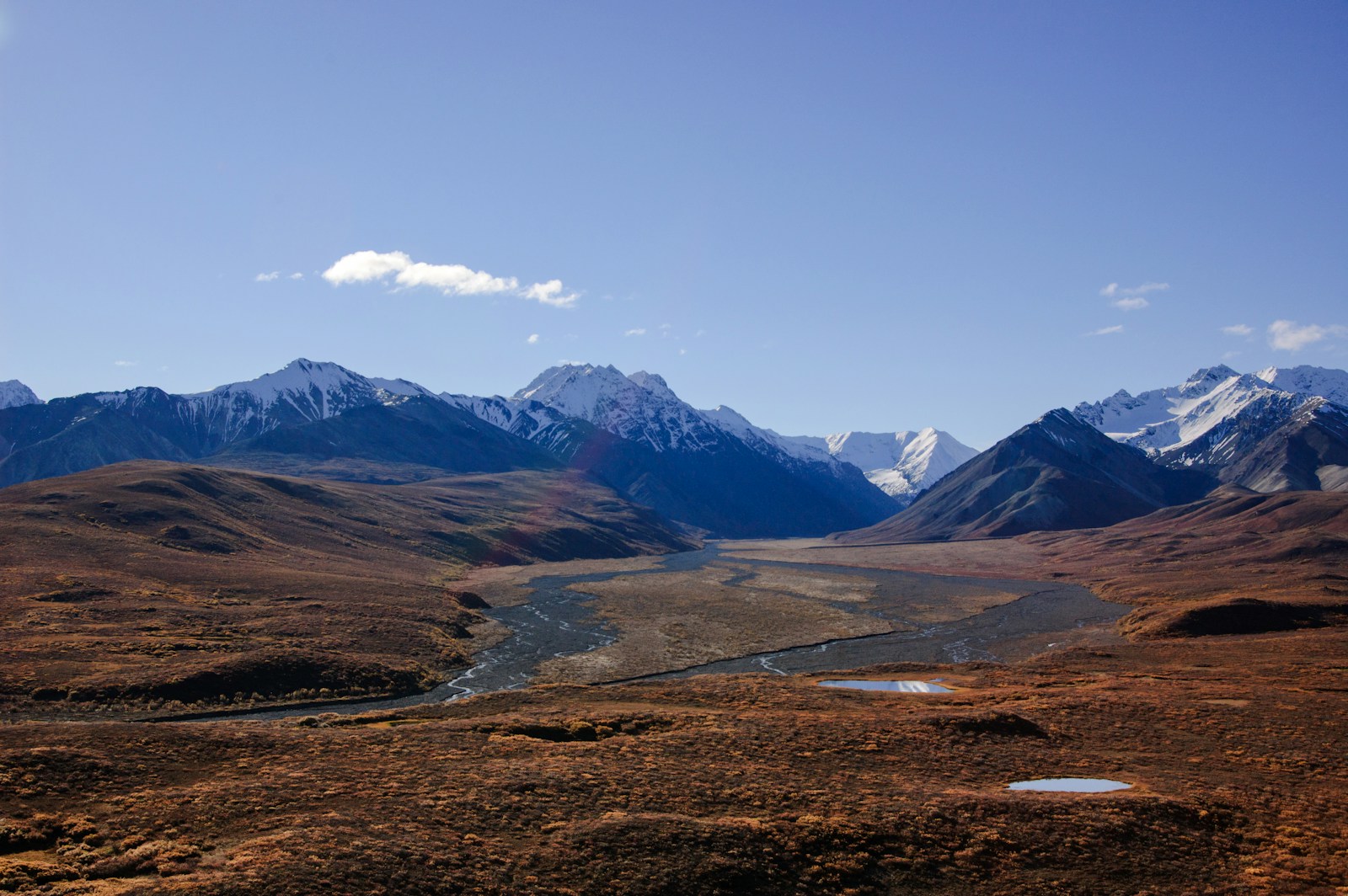
The ultimate wilderness — no roads, no trails, no visitor centers. Gates of the Arctic is 8.4 million acres of untouched Brooks Range peaks and tundra for only the most adventurous souls.
Arrigetch PeaksKobuk River ValleyAnaktuvuk PassNoatak River
The largest national park in the US at 13.2 million acres, Wrangell-St. Elias contains nine of the 16 highest peaks in North America, massive glaciers, and abandoned copper mines.
Root GlacierKennecott MineMount St. EliasMcCarthy Road
Home to the Great Kobuk Sand Dunes — 25 square miles of Arctic sand dunes — and the annual caribou migration, Kobuk Valley is one of the least-visited parks in the system.
Great Kobuk Sand DunesKobuk RiverCaribou MigrationOnion Portage
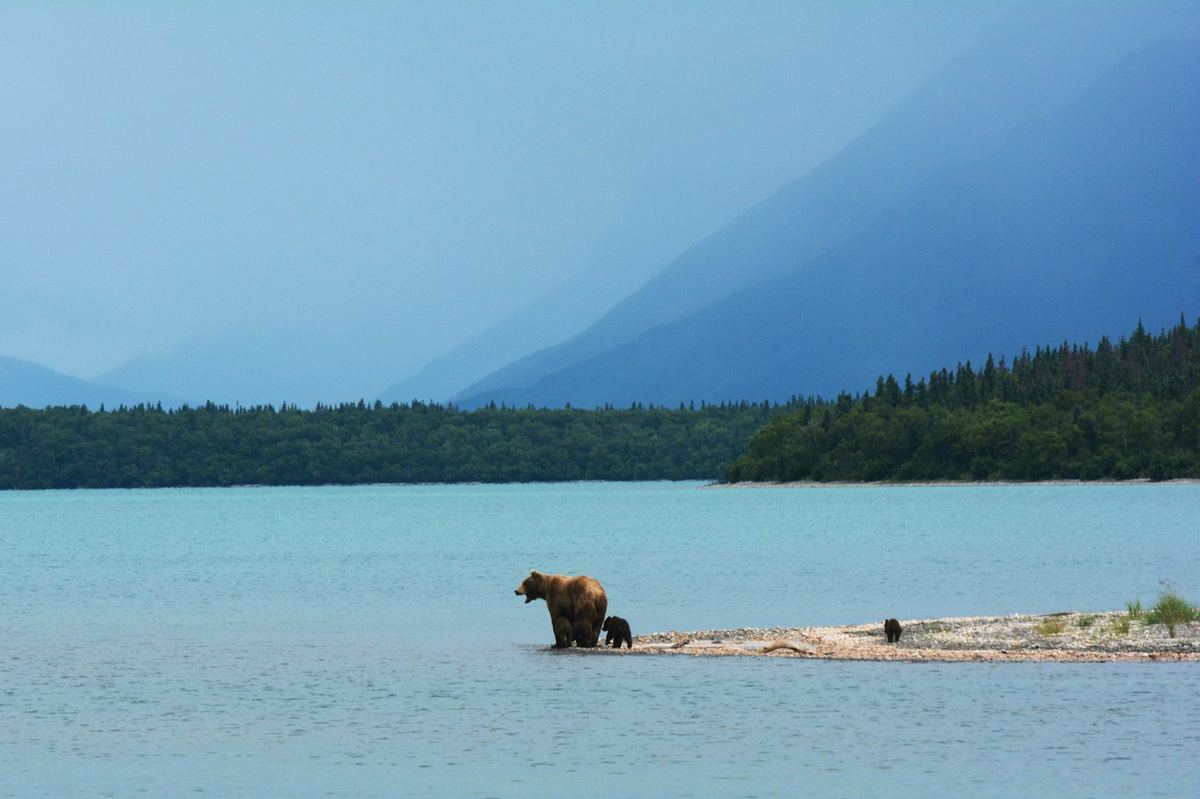
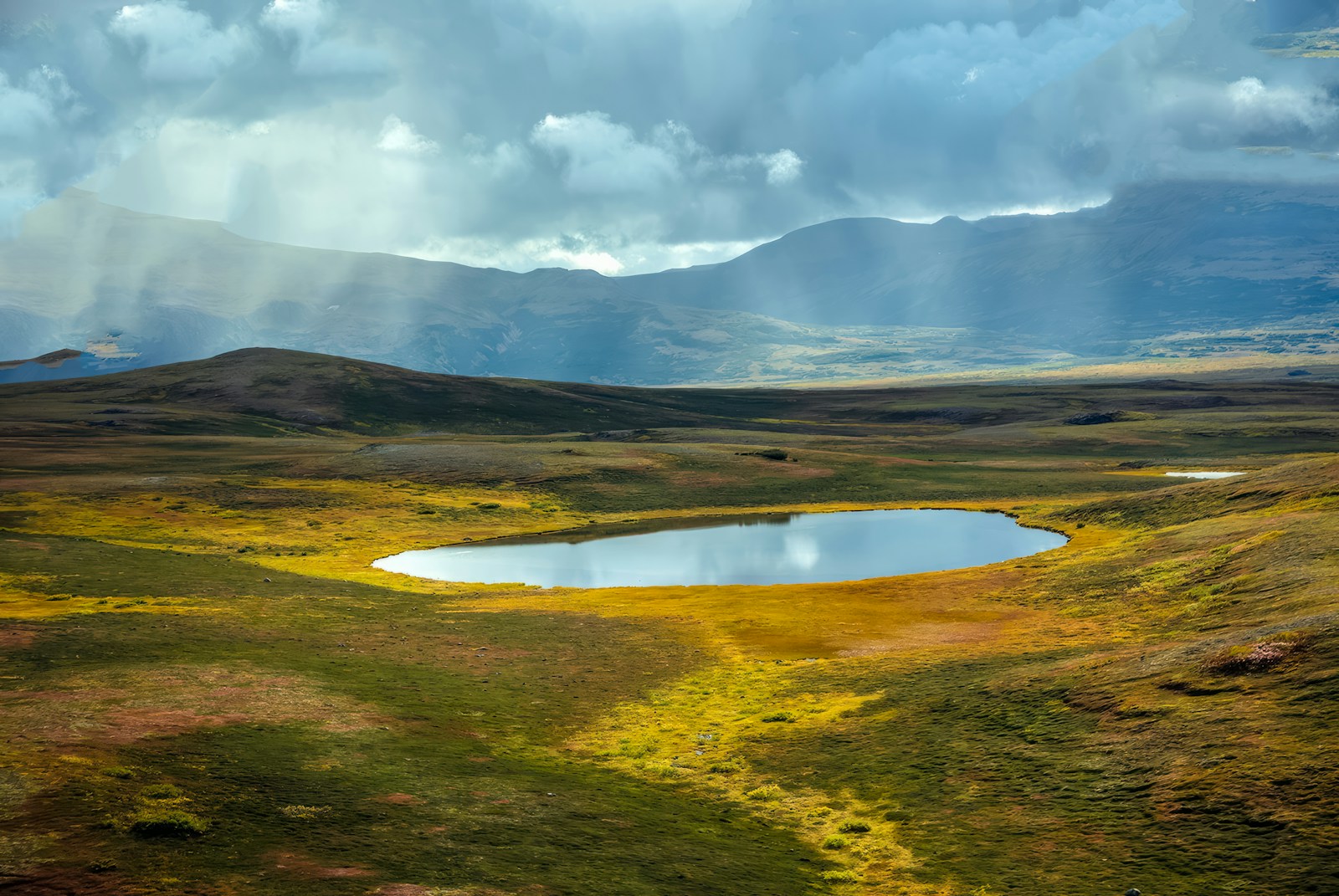
A pristine wilderness of turquoise lakes, volcanic peaks, and coastal brown bear habitat, Lake Clark offers world-class fishing and kayaking with virtually no crowds.
Turquoise LakeProenneke CabinChelatna Lake BearsIliamna Volcano